

Go Back
News
School News
Xin Ren PBL: A Cross-Disciplinary Journey of Trust and Learning
School News
05 Dec, 2025
11 : 10
As the late afternoon sun dipped over the rooftop stage at Ronghua Campus, a soft golden light fell across the gathering.
It was a balmy Thursday in autumn. Students and parents from YCIS Shanghai sat together on the grass as the evening lights came on and the performance began.
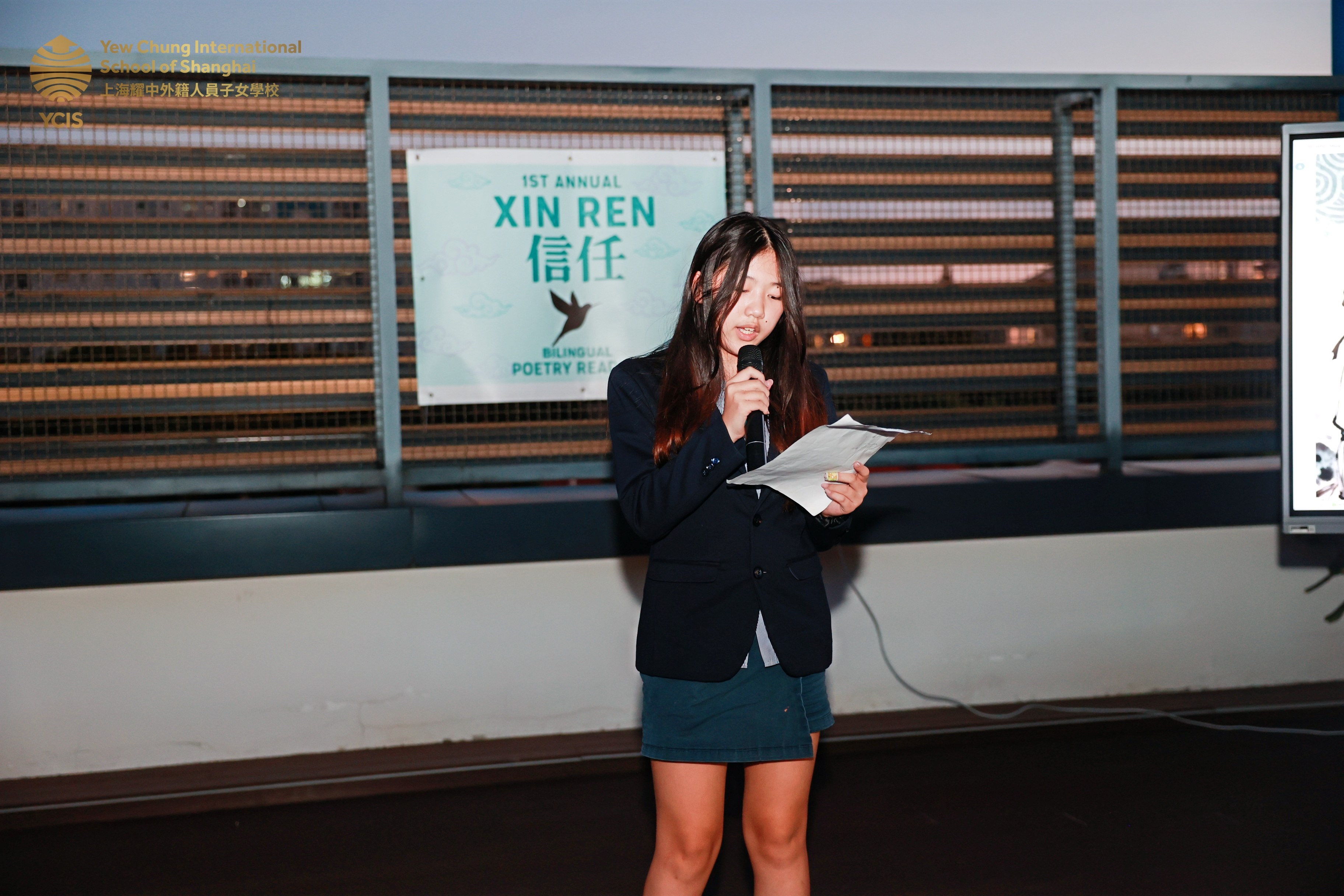
Some students recited Tang poems such as Climbing White Stork Tower(《登鹳雀楼》), while others performed self-written slam poetry.
Ancient rhythm met contemporary voice; the stillness of tradition intertwined with the energy of modern expression.
This was the final presentation of the Year 8 "Xin Ren" Project-Based Learning (PBL) unit — a celebration of culture, creativity and education through the lens of trust.
From a TEDx Talk to a Schoolwide Inquiry into Trust
The idea for the Xin Ren project began four years ago with a TEDx talk by a Year 13 student, Anna, who explored the contrasts between Eastern and Western models of trust.
In her speech, she observed that Eastern societies tend to build trust on personal relationships and long-term connections, whereas Western systems rely more on rules and institutions.
Anna's insight directly inspired a group of Year 8 teachers, who were then planning a Project Based Learning unit during a professional development workshop. They decided to design a curriculum enabling students to explore trust not as an abstract concept, but as a lived personal and cultural experience.
When Disciplines Learn to Trust One Another
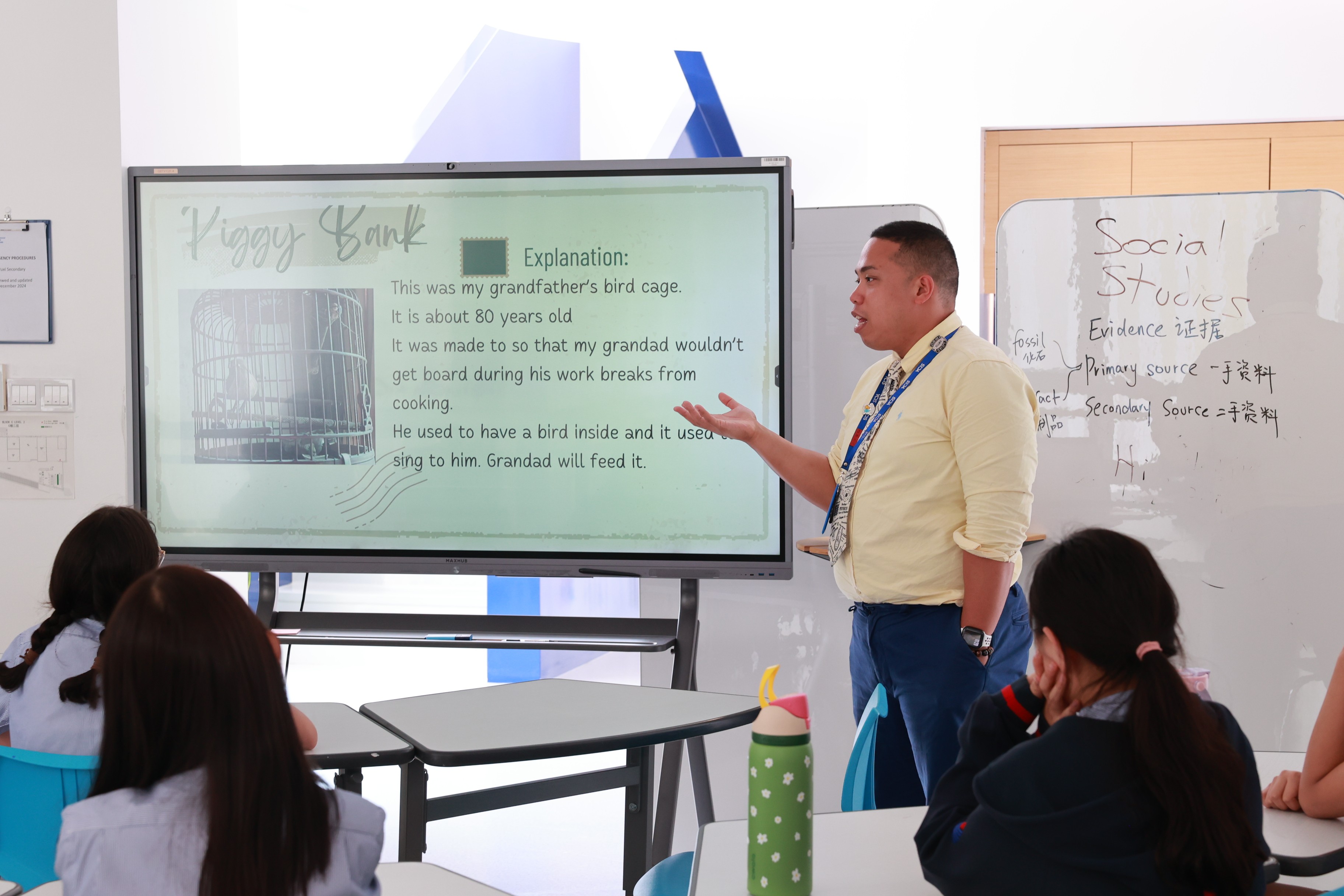
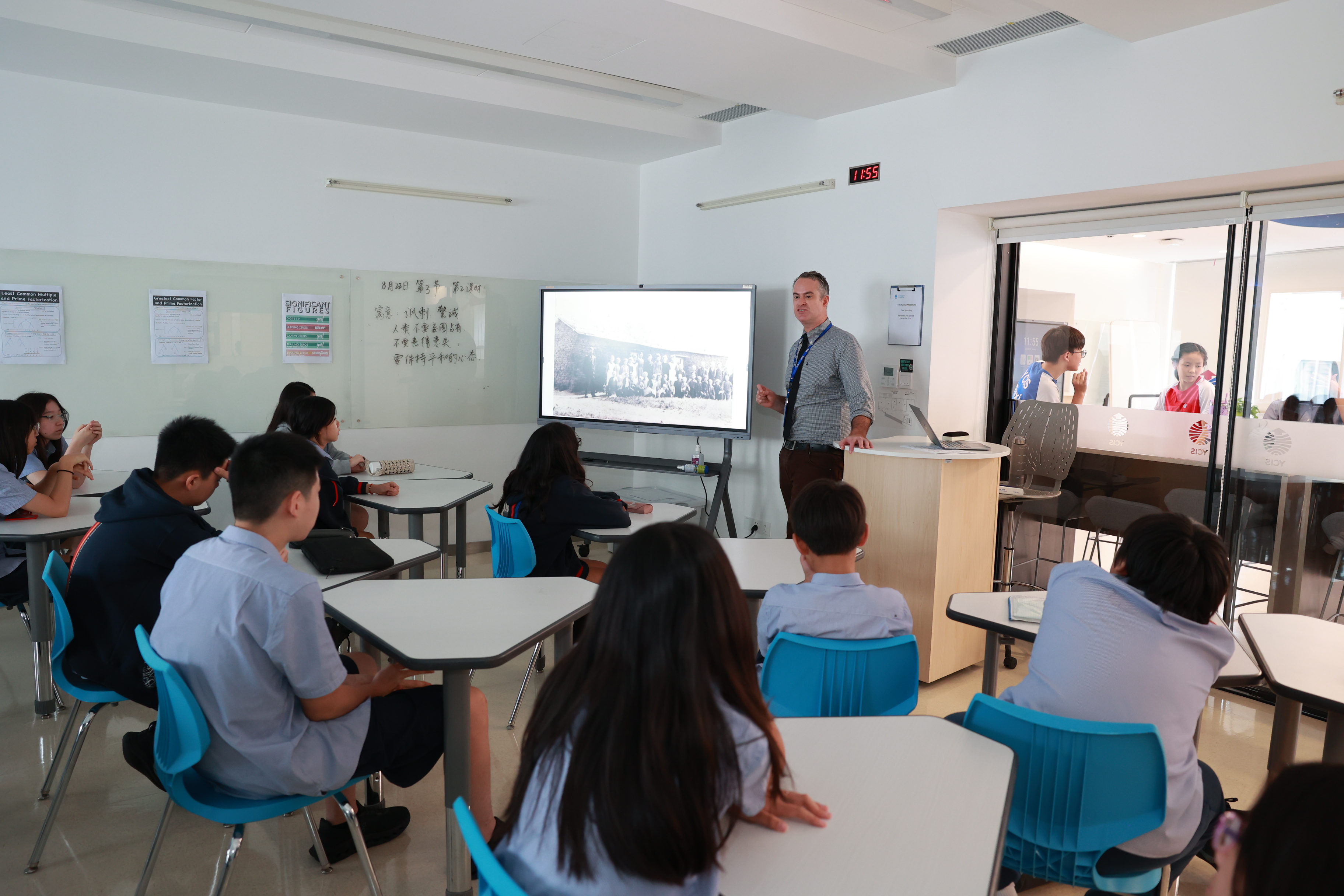
In Social Studies, students explored how trust shapes societies — from cooperation and trade to family ties.
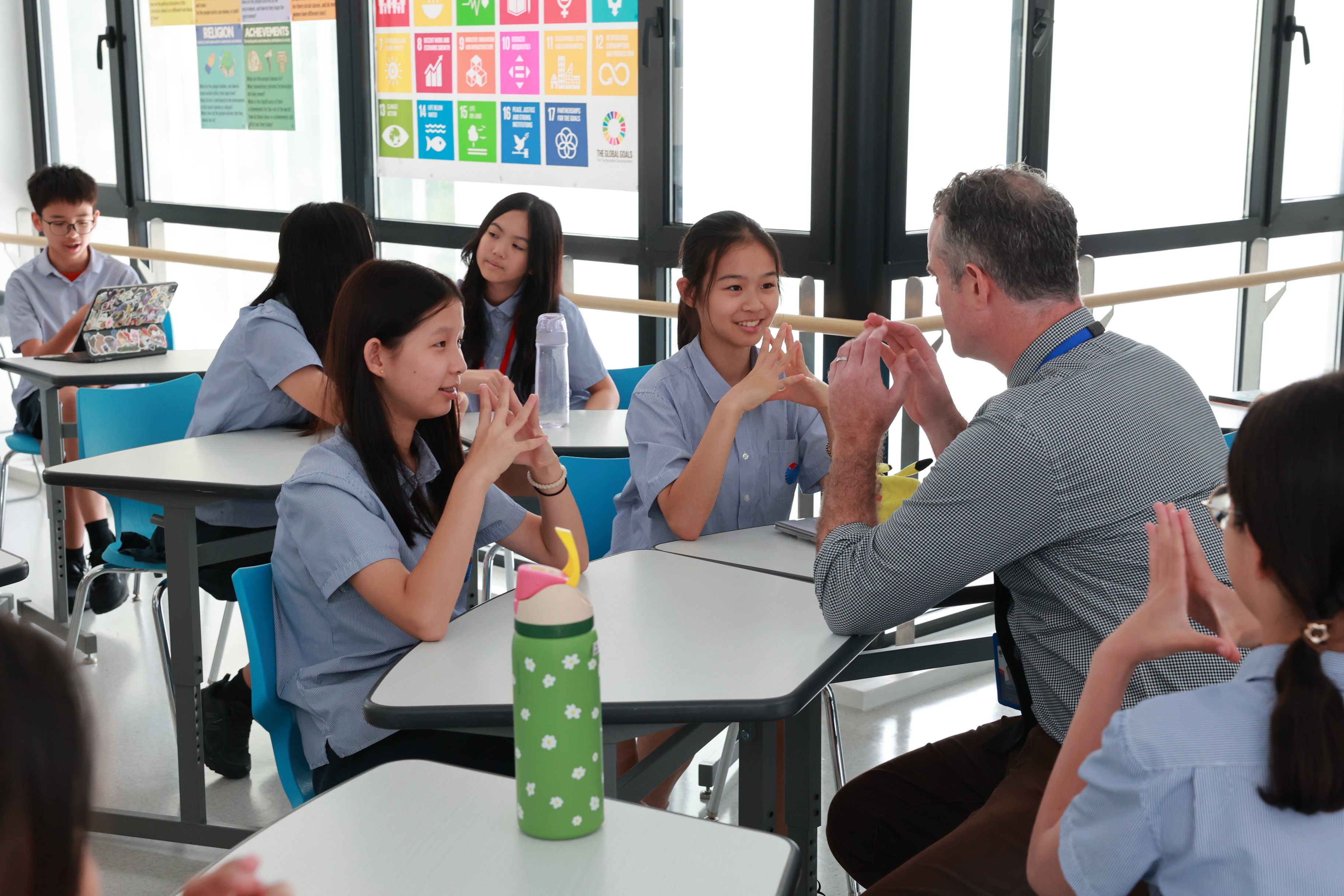
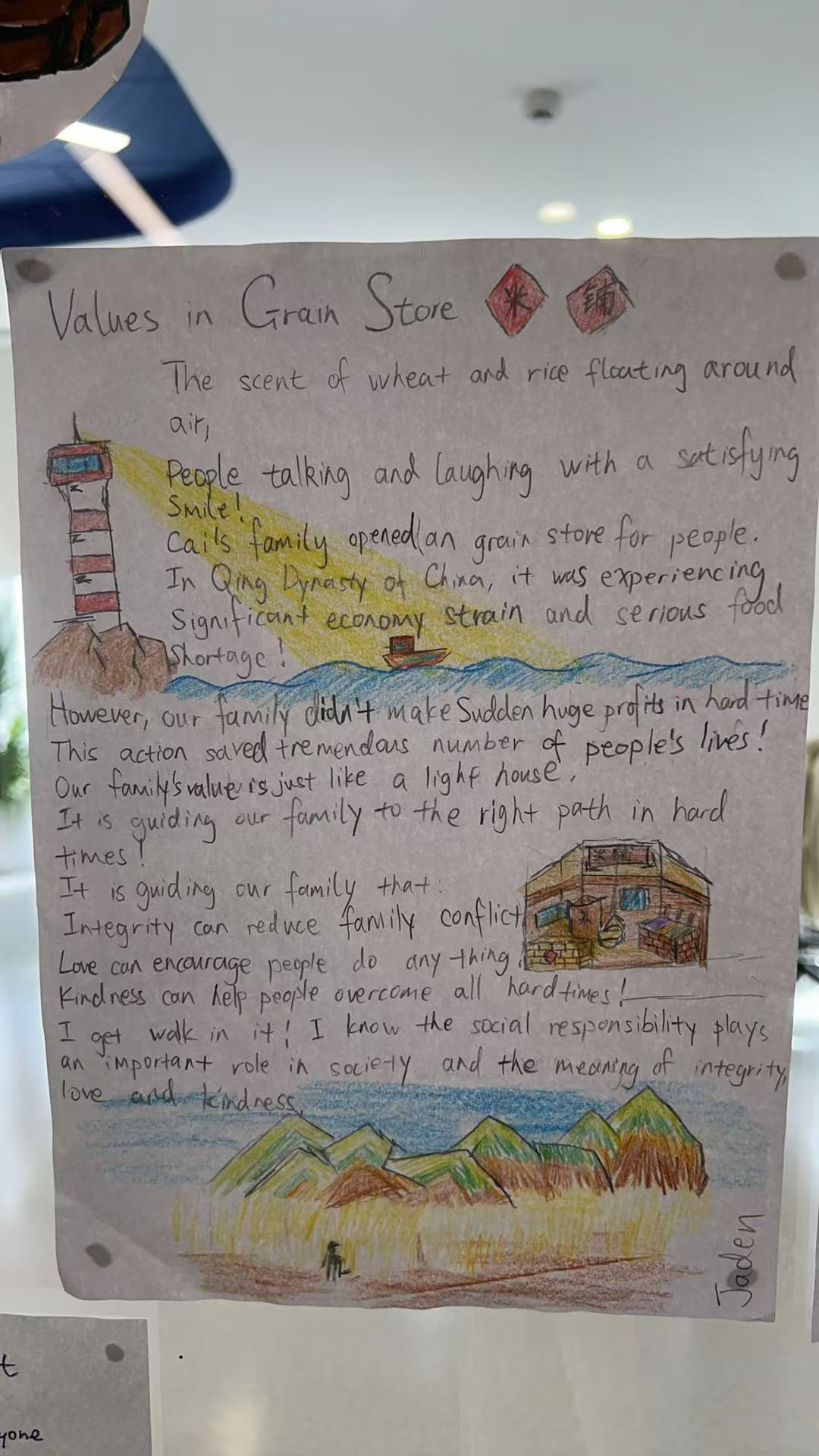
In English class, they interviewed family members, collecting oral histories and writing their own "trust stories."
In Visual Arts, they used these stories to create symbolic installations and mixed-media works.
And in English, they experimented with poetry — turning abstract ideas into personal expression.
Mr Jed Friedman, Lower Secondary Coordinator, explained:
"We introduced students to slam poetry — a form that combines power and emotion. It allowed them to express their understanding of trust in English, just as ancient Chinese poetry uses imagery to convey feeling."
As the sun set, students performed in both languages — Tang poetry alongside original English verse.
Between East and West, between old and new, trust found its voice.
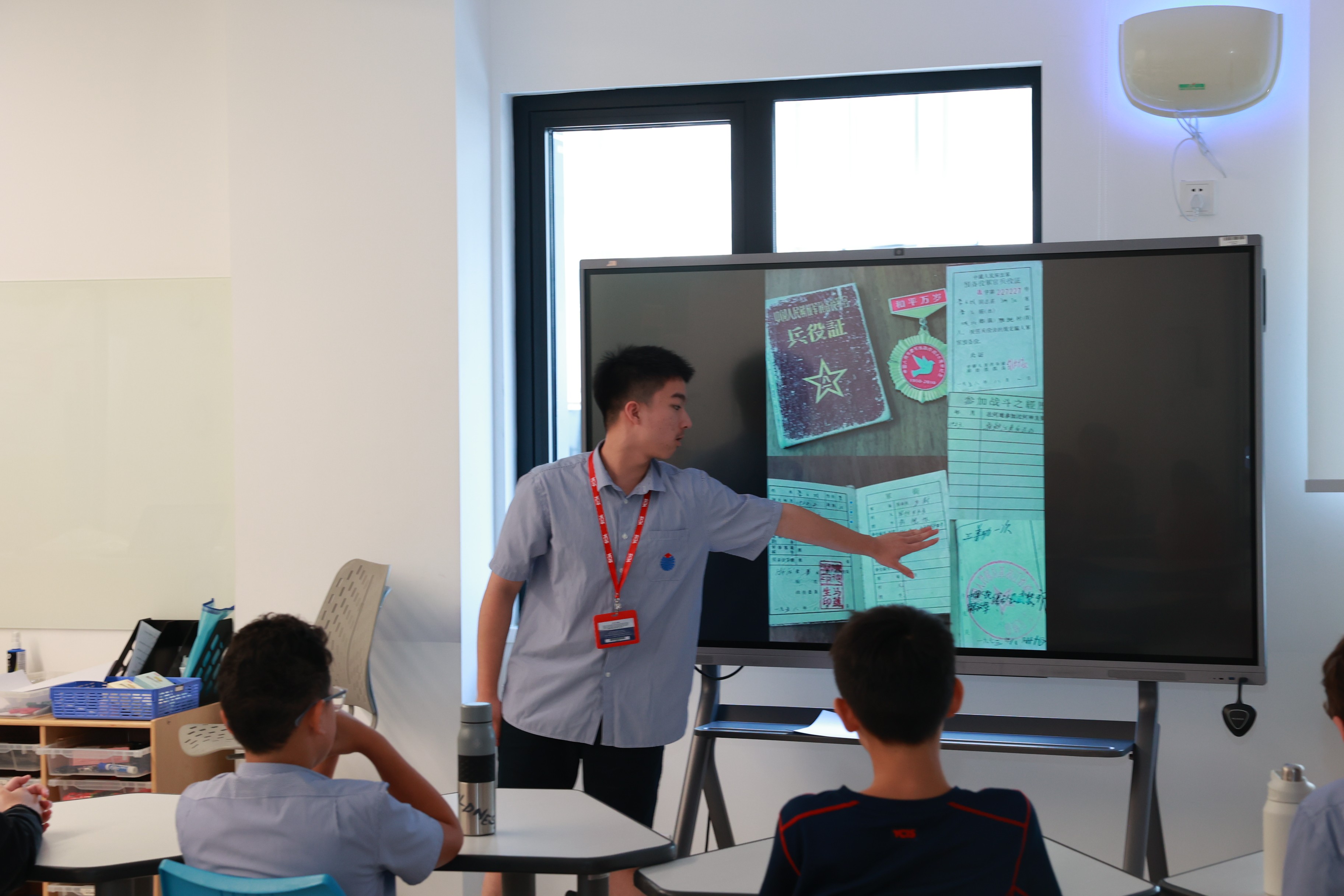
At home, parents were also part of the journey. Keke, mother of Year 8 student Sebastian, shared: “In the Xin Ren project, parents weren't just helpers — we became co-researchers. We supported our children in discovering the meaning behind our family artifacts, helping them see that an old object represents family values, not just the past. It was the first time my child studied our family history through an academic lens. They weren't just learning about history — they were touching it, understanding how broader events shaped our own story.”
For students like Sophia, the project transformed a familiar word into a profound concept.
"I already knew that Xin Ren means trust," she wrote, "but this PBL helped me explore it in much deeper ways. There are different kinds of trust — personal, institutional, cultural. I realised how culture affects the way trust operates in different contexts."
Sophia also reflected on the learning experience itself:
"Compared with regular lessons, this PBL felt more connected to real life. It was more challenging, but also more rewarding. We weren't just taking notes — we were researching, collaborating, and solving problems. That made the learning truly meaningful."
For her, trust became not just a theme, but a mindset — one of openness, collaboration and shared creation.
From Artifacts to Exhibition: Trust Made Visible
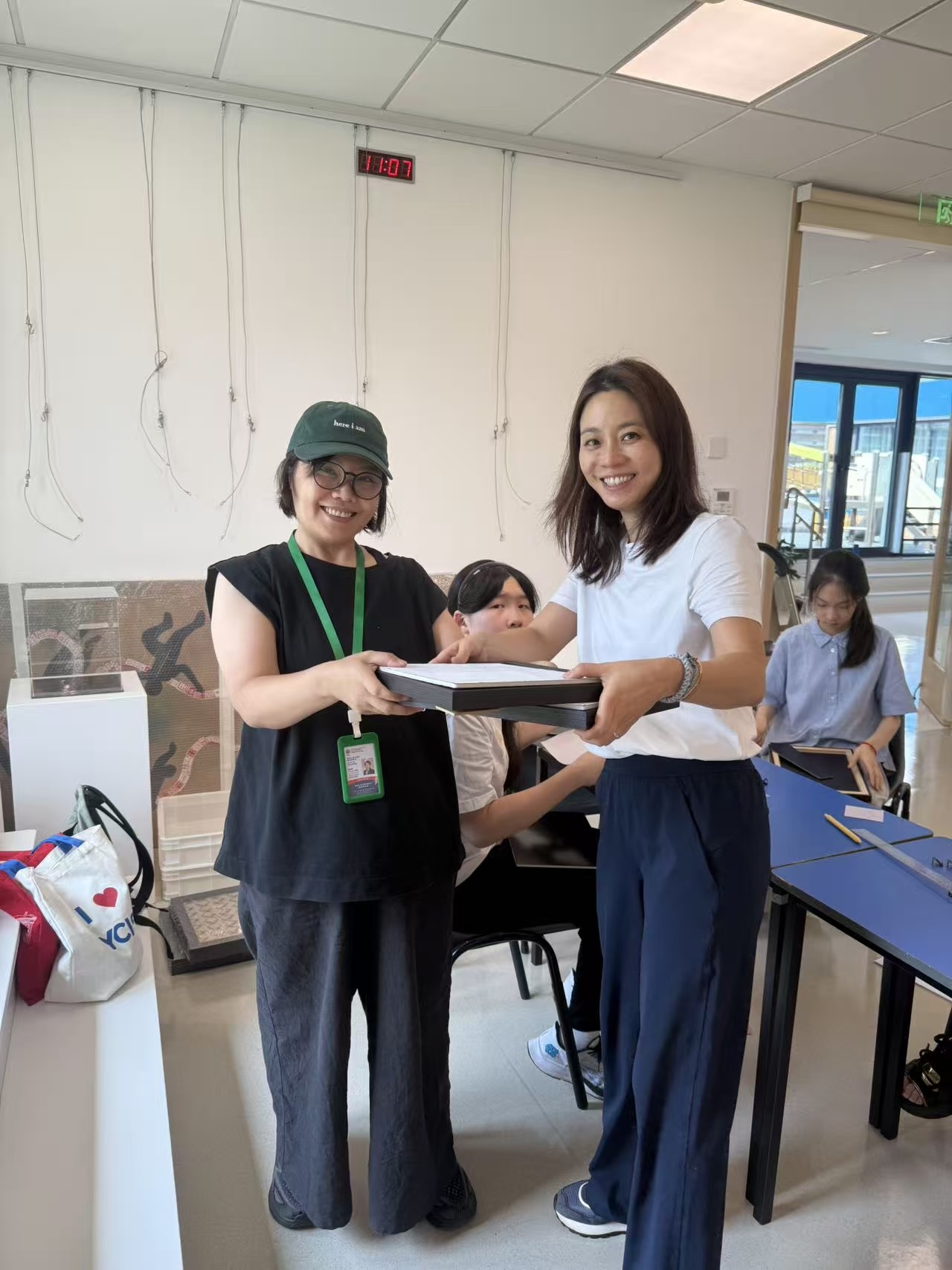
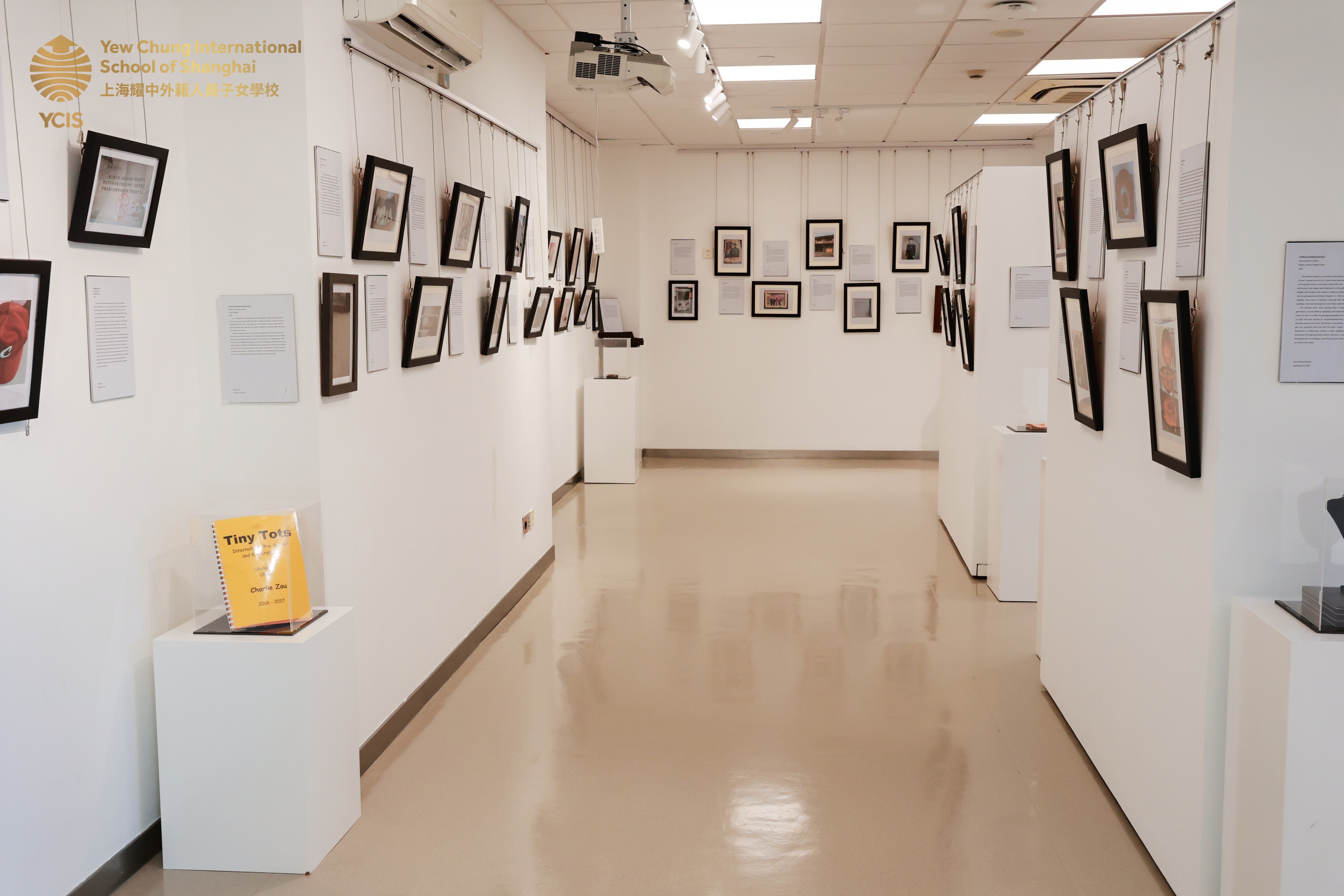
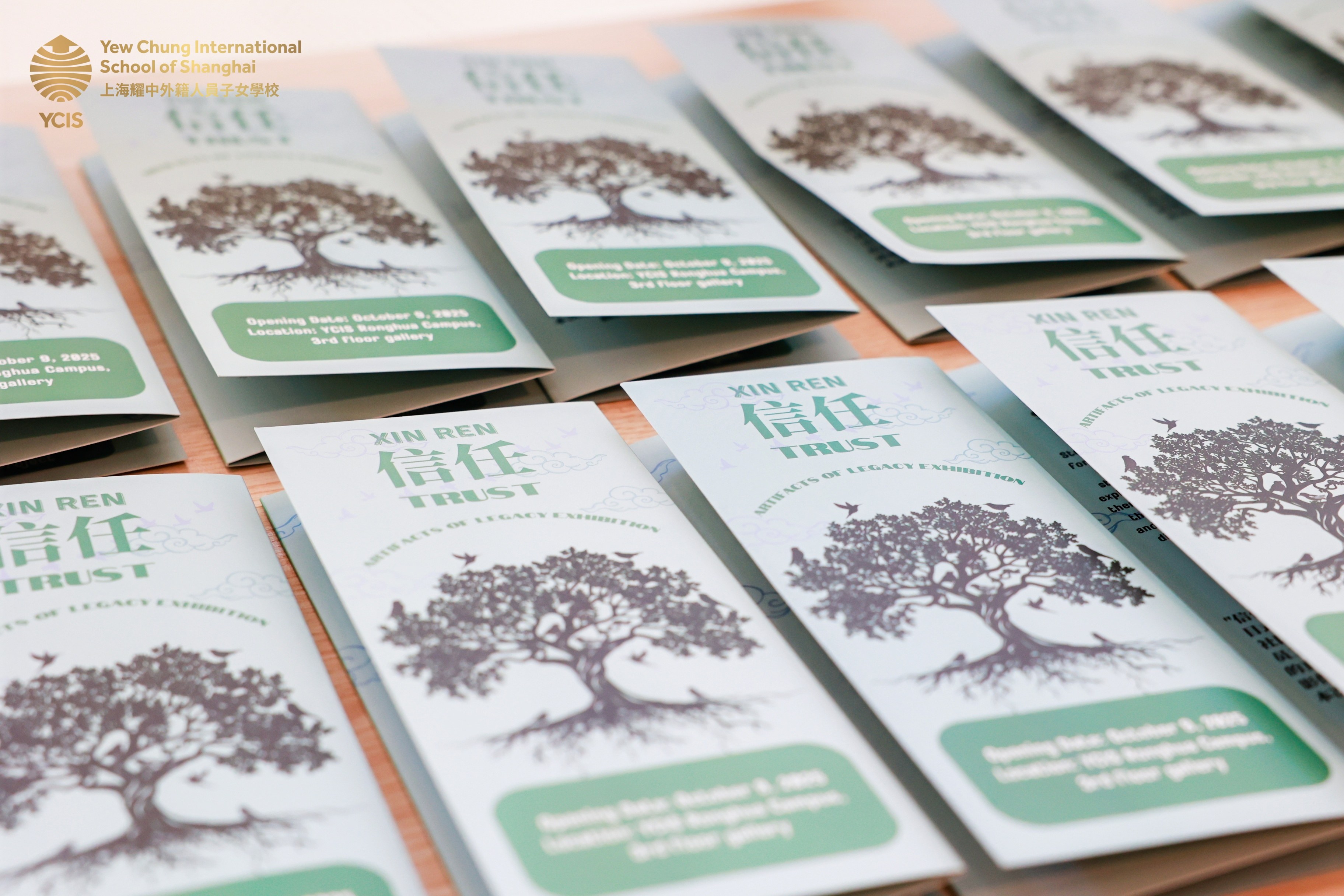
The project reached its peak with the Xin Ren Museum — an exhibition curated and organised by students.
Inside the gallery, personal family artifacts were displayed: a porcelain teapot, a faded letter, an old medal, and many others, each carrying its own story.
This year, Year 11 student Lily took on the role of student curator, leading a team of Year 8 students in designing and mounting the exhibition.
It was her second year taking part.
Lily recalled, “The first time I curated, I wanted to do everything myself. I was afraid others wouldn't meet my expectations. But this year, I learnt to trust — my team, the process, and myself. I realised that leadership isn't about control, but about helping others shine.”
Under her guidance, the exhibition became more open and community-focused.
"Last year I cared about perfection," Lily added. "This year I wanted to create warmth — a sense that everyone belongs here."
Artist-in-Residence Elena also witnessed this transformation.
"Art teaches us that trust is the foundation of all creation. Without it, there's no collaboration, no expression," she said.
"In PBL, students learn to translate abstract ideas into visual form. When they try to 'make trust visible', learning steps beyond the classroom into the real world."
She recalled that challenges often brought out the best in the students.
"When challenges came up during the installation, the students worked together calmly and creatively. That's when I realised the real achievement wasn't the exhibition itself, but how they had learnt to listen and trust one another."
When Trust Becomes a Learning Culture
The influence of Xin Ren now reaches well beyond the classroom.
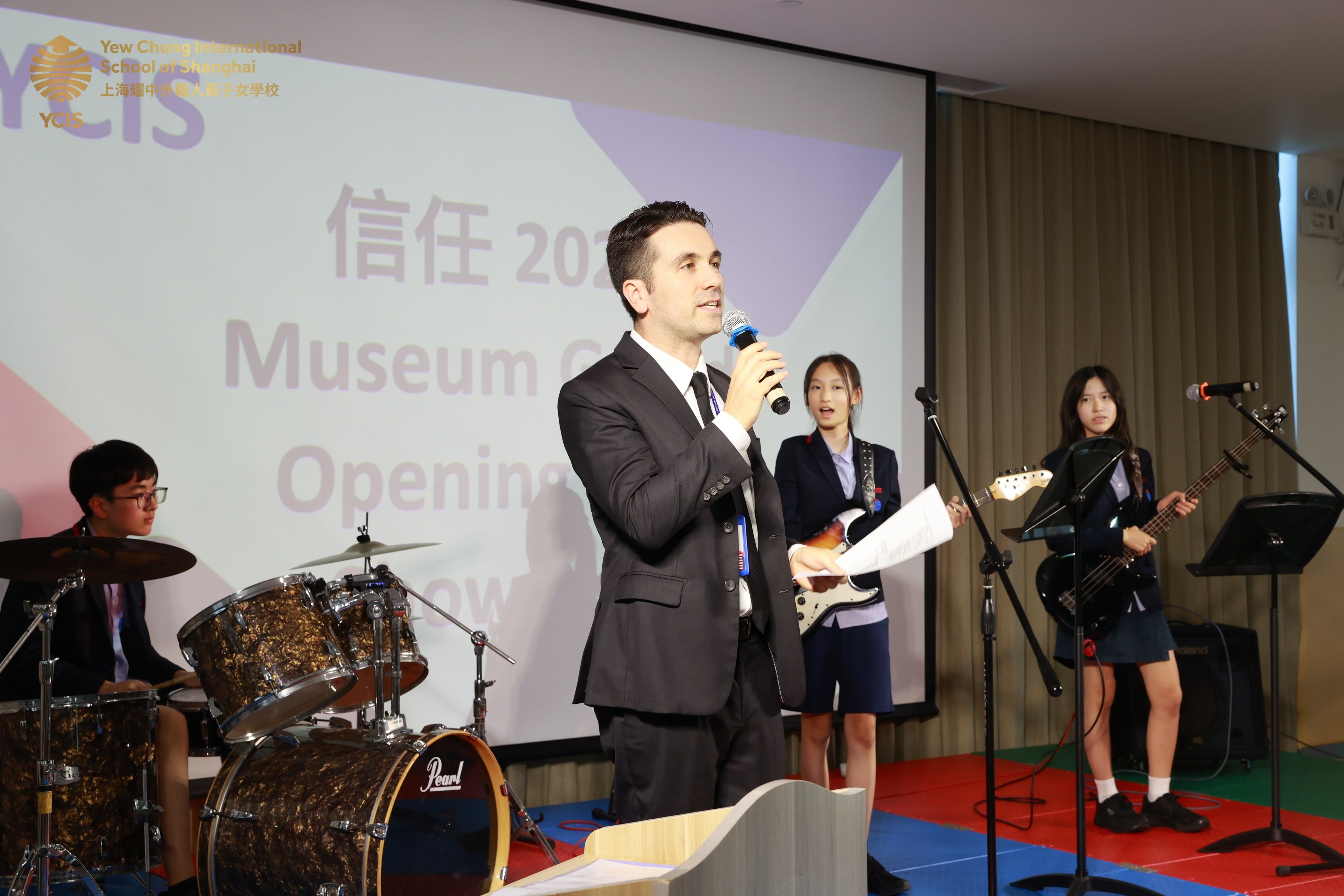
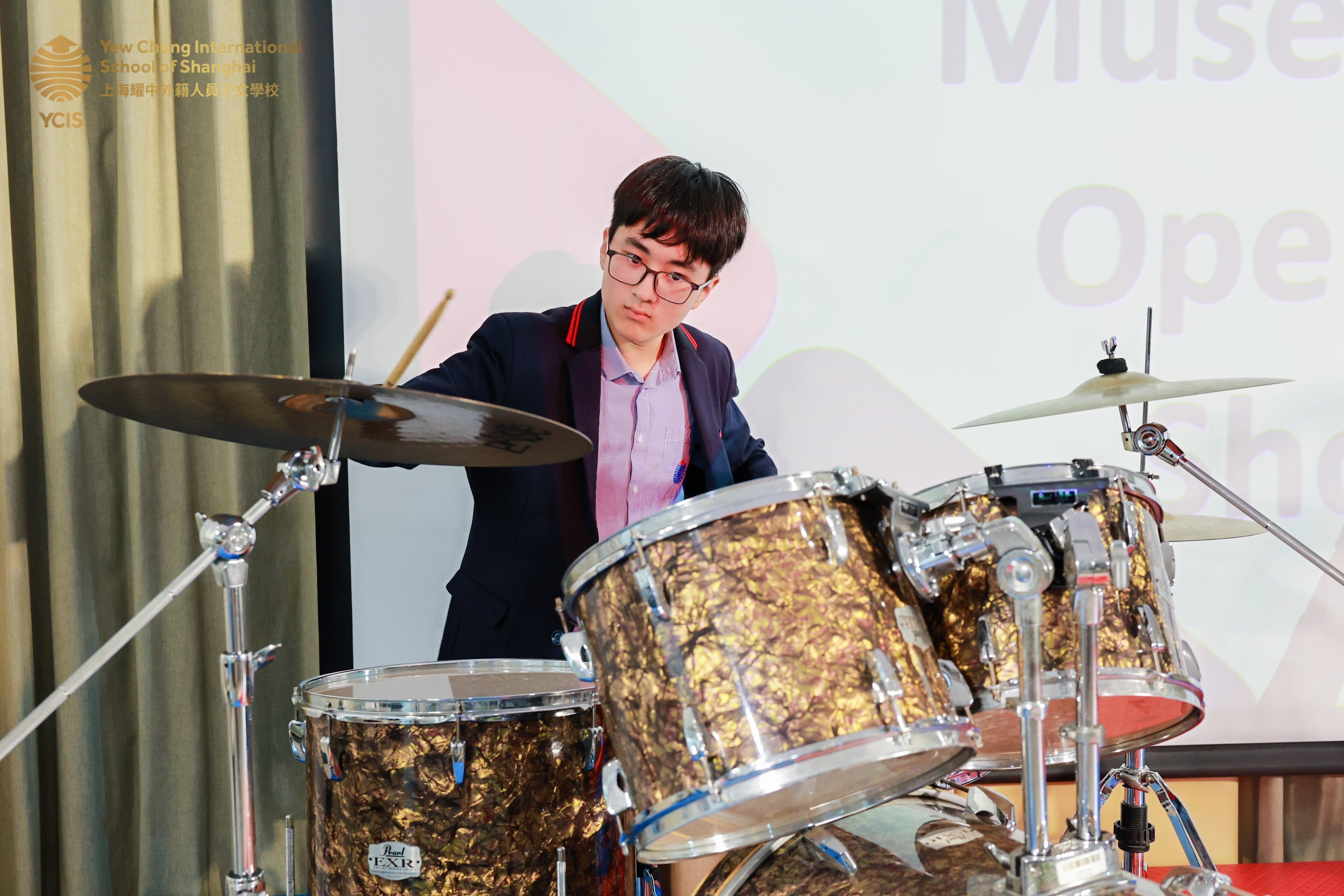
This year, Primary students joined the event, performing music at the exhibition opening and adding a younger voice to the celebration.
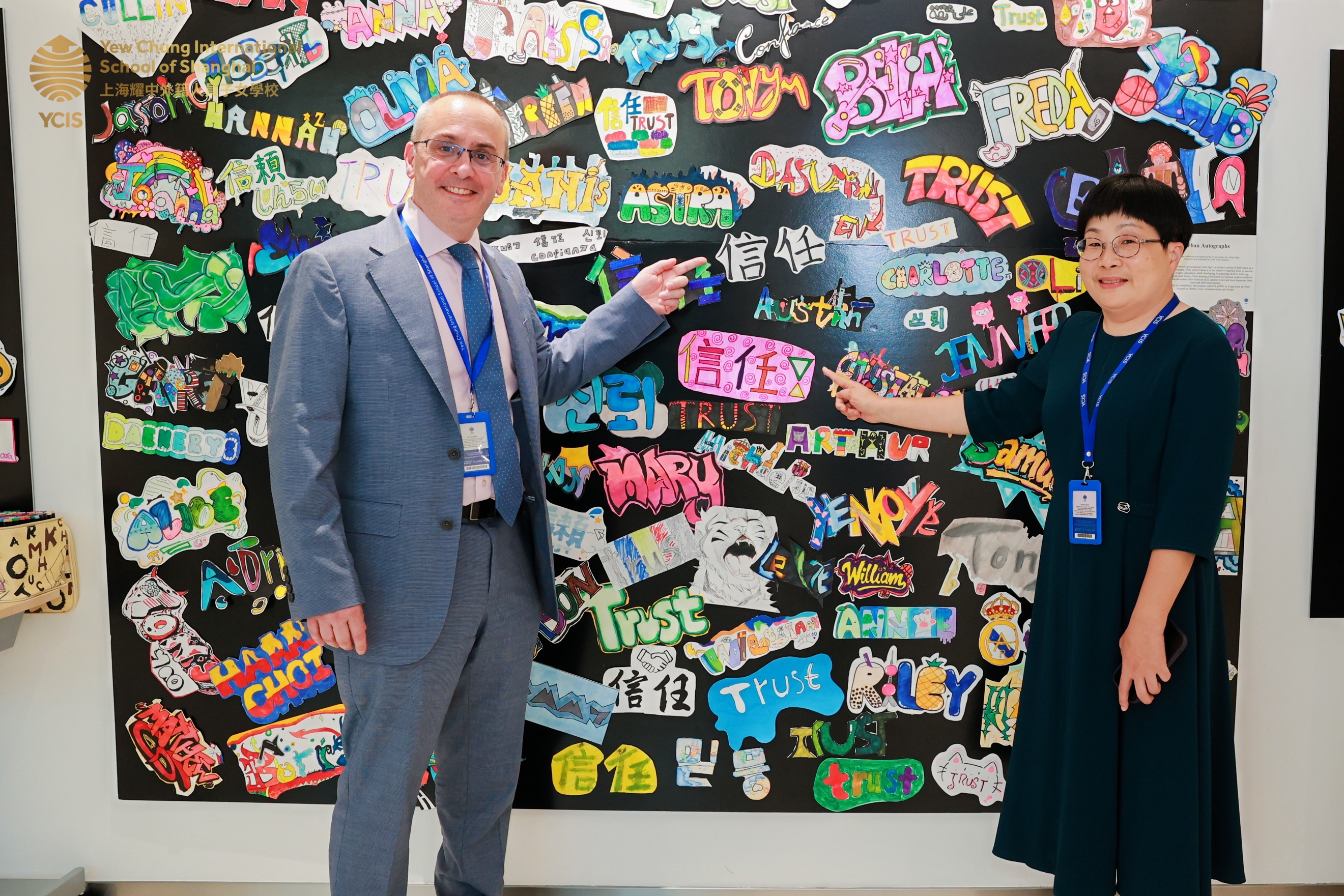
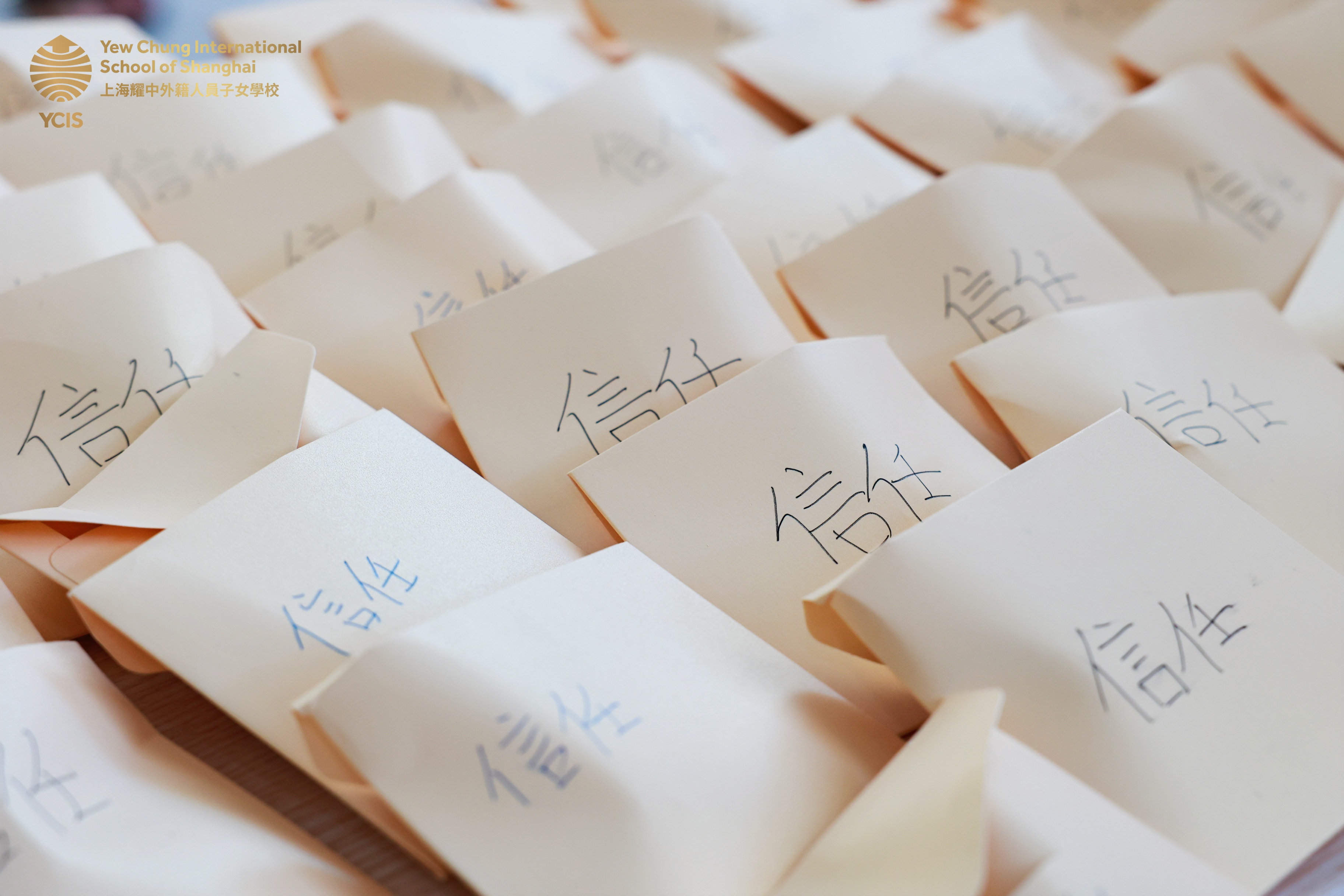
Parents also contributed their own "trust stories", which together formed a community "Trust Tree".
The gallery became a living festival of voices, music and light — a shared space of reflection and connection.
As Mr Friedman noted: "PBL is not an easy path. It requires trust among teachers and a school culture that supports long-term collaboration. But it's this very trust that gives learning its vitality."
Today, Xin Ren has become a school tradition — a learning journey that renews itself each autumn.
The Xin Ren PBL is not simply the conclusion of a project, but the continuation of a culture of learning.
It opens classrooms, connects disciplines, and strengthens relationships.
It helps students learn to listen, collaborate and create meaning together — and invites parents and teachers to redefine what education can be: an education built on trust, respect and creativity.
Perhaps this is the quiet power of Xin Ren —it allows students to grow, and a school to take root deeply within its community while reaching ever outward.

YCIS Shanghai is a Child-Safe School
Click HERE for our Child Protection Policies and Procedures
© Yew Chung International School of Shanghai 2022. All rights reserved