


Go Back
News
School News
How YCIS Helps Non-Native Speakers Learn Chinese?
School News
22 May, 2026
15 : 56
For many international families moving to Shanghai, Chinese learning quickly becomes one of the biggest questions.
-
What happens if a child has no Chinese background at all?
-
Will they be able to keep up?
-
And in an international school environment, what does meaningful Chinese learning actually look like?
From Primary through Secondary, YCIS has developed a structured Chinese learning pathway for non-native speakers — from differentiated entry levels and eight progressive stages, to cultural immersion, project-based learning, and advanced expression in IGCSE and IB courses.
For us, language learning is not simply about acquiring vocabulary. It is about helping students build confidence, communication skills, cultural understanding, and meaningful connections with the world around them.
-
A Structured Chinese Learning Pathway in Primary
At YCIS Shanghai, Chinese learning is never approached as a one-size-fits-all programme.
Non-native students are placed into
different learning pathways according to their language background, age, and individual learning needs.
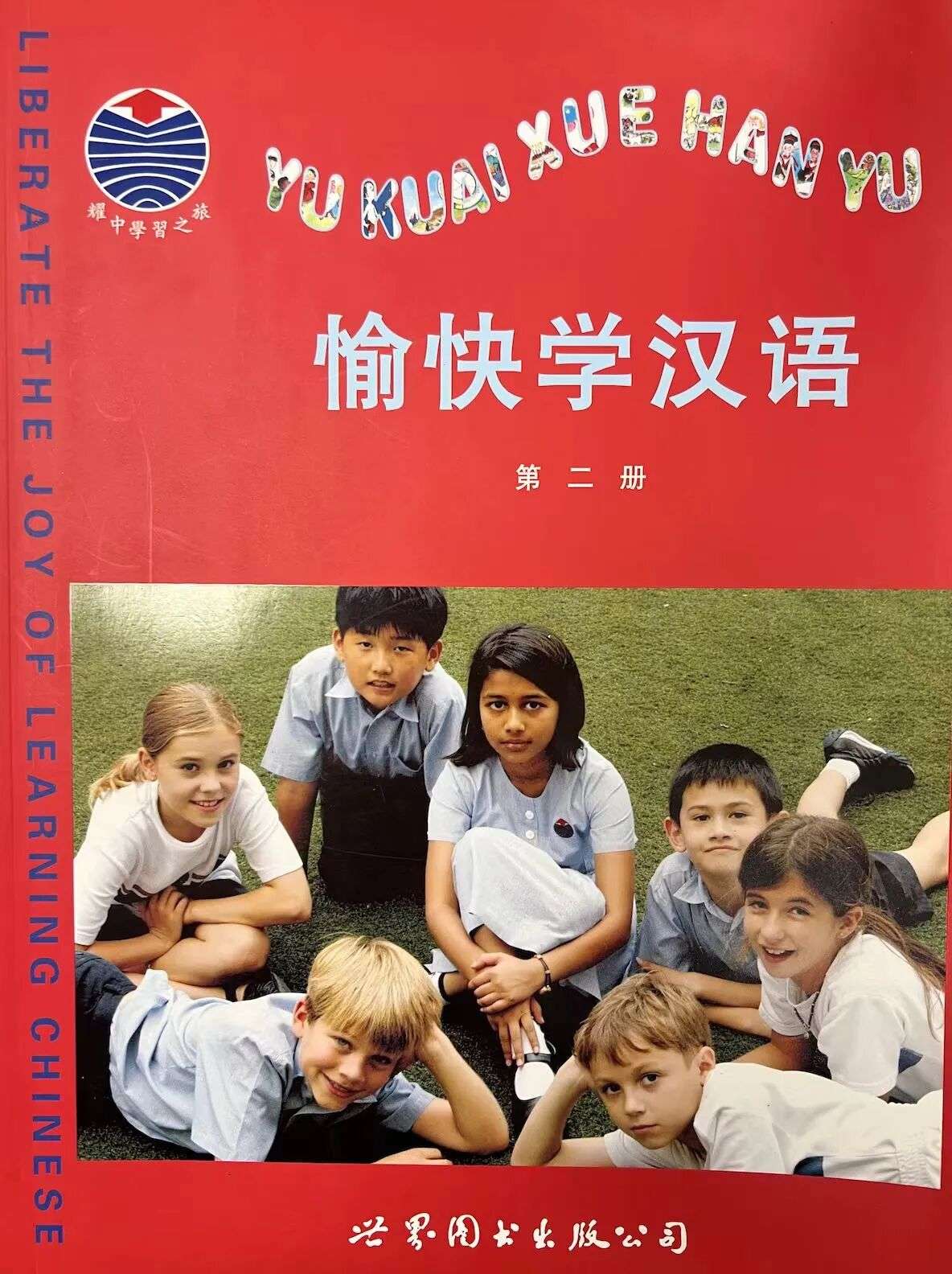
In Primary School, students follow a six-level Chinese as a Second Language programme, with differentiated instruction based on each student’s language ability.
Rather than simply dividing students by age or year level, the programme is designed around the natural process of language acquisition, helping children develop listening, speaking, reading, and writing skills over time.
Level 1–2: Building Confidence Through Communication
For younger learners with little or no Chinese background, our priority is not how many characters they can memorise, but whether they feel confident enough to communicate.
At this stage, we follow one important principle:
Listening and speaking come first; reading and writing develop gradually afterwards.
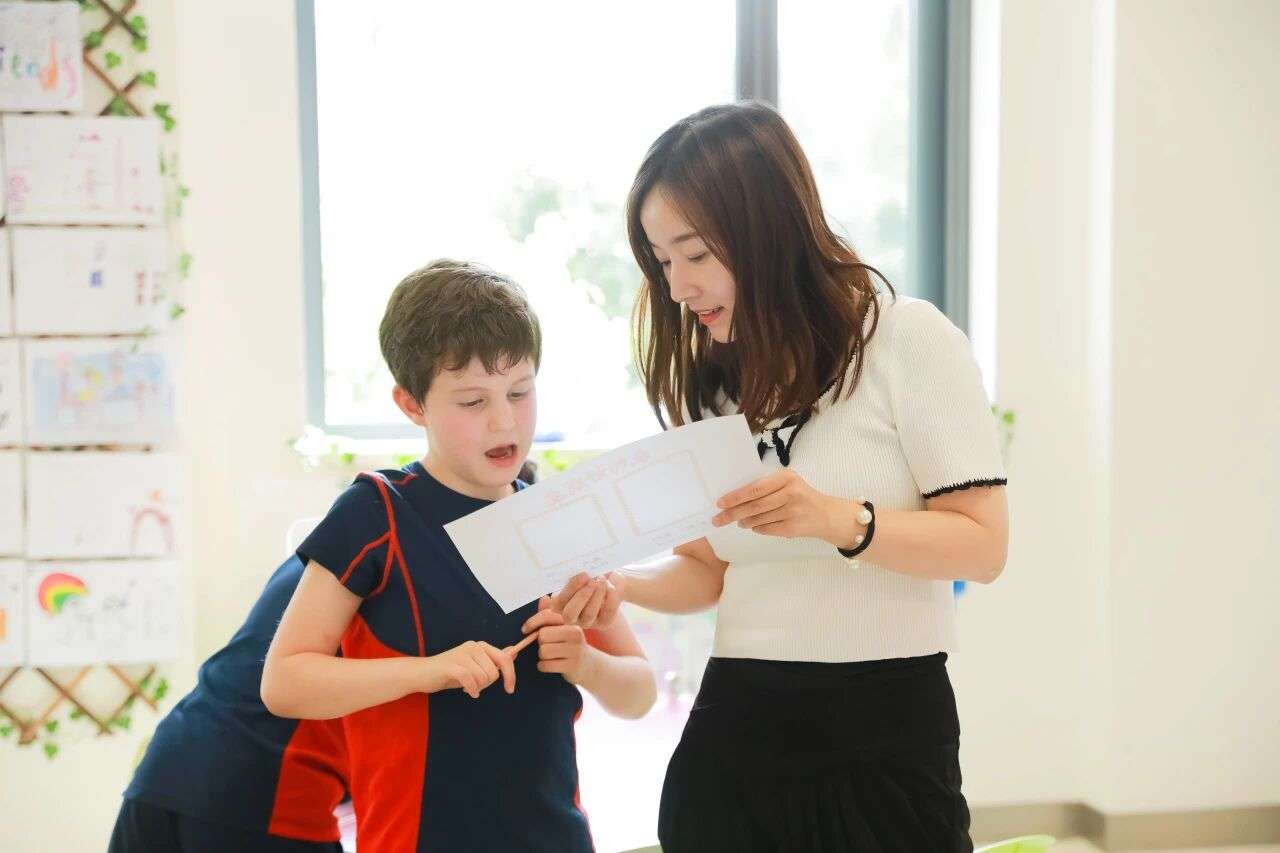
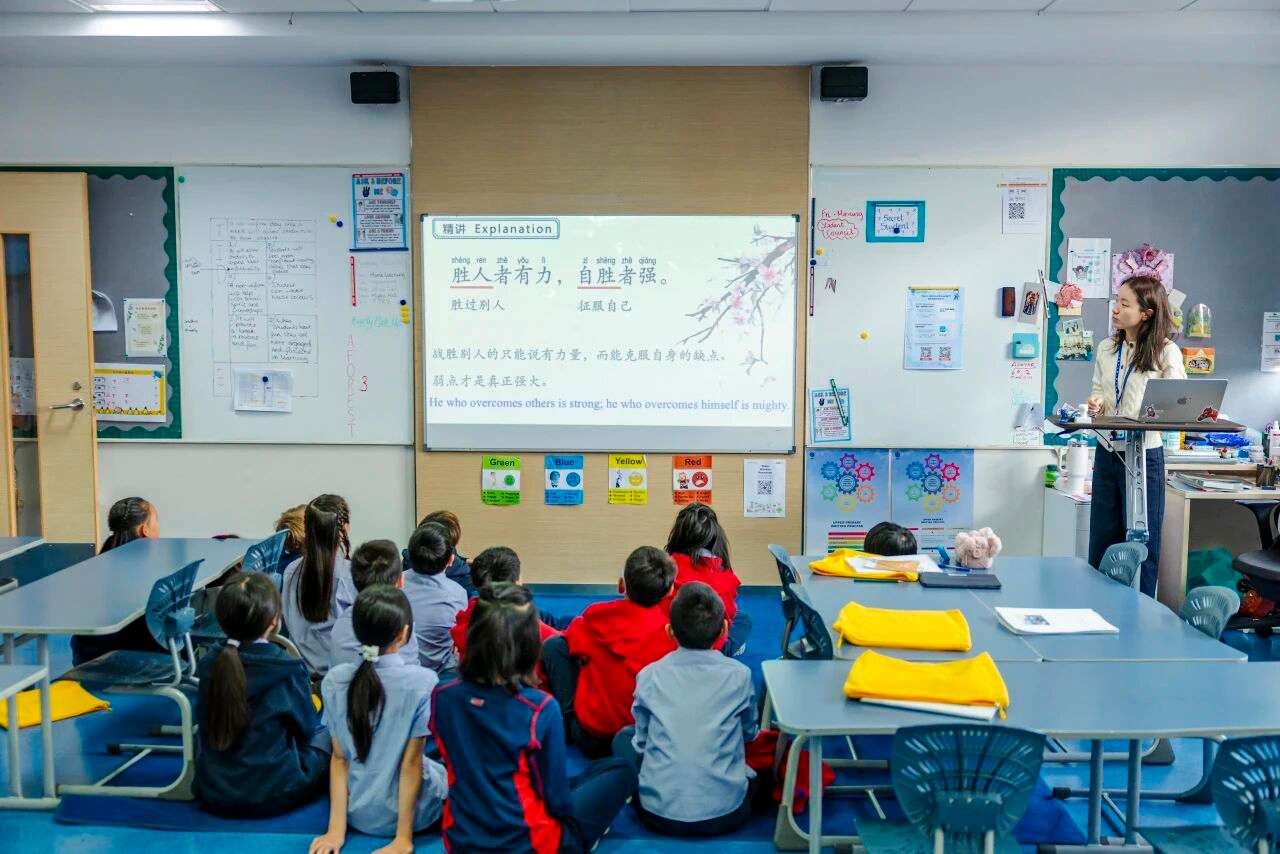
In the classroom, students are introduced to Chinese naturally through songs, phonics games, role play, and interactive activities. In a relaxed and engaging environment, children begin building confidence in hearing, understanding, and using the language.
Many students arrive with almost no Chinese at all, but within a few months, they are already able to communicate around familiar topics such as family, colours, dates, and countries.
Level 3–4: Moving from Speaking to Reading and Writing
As students progress, the curriculum gradually transitions from spoken communication to reading and writing.
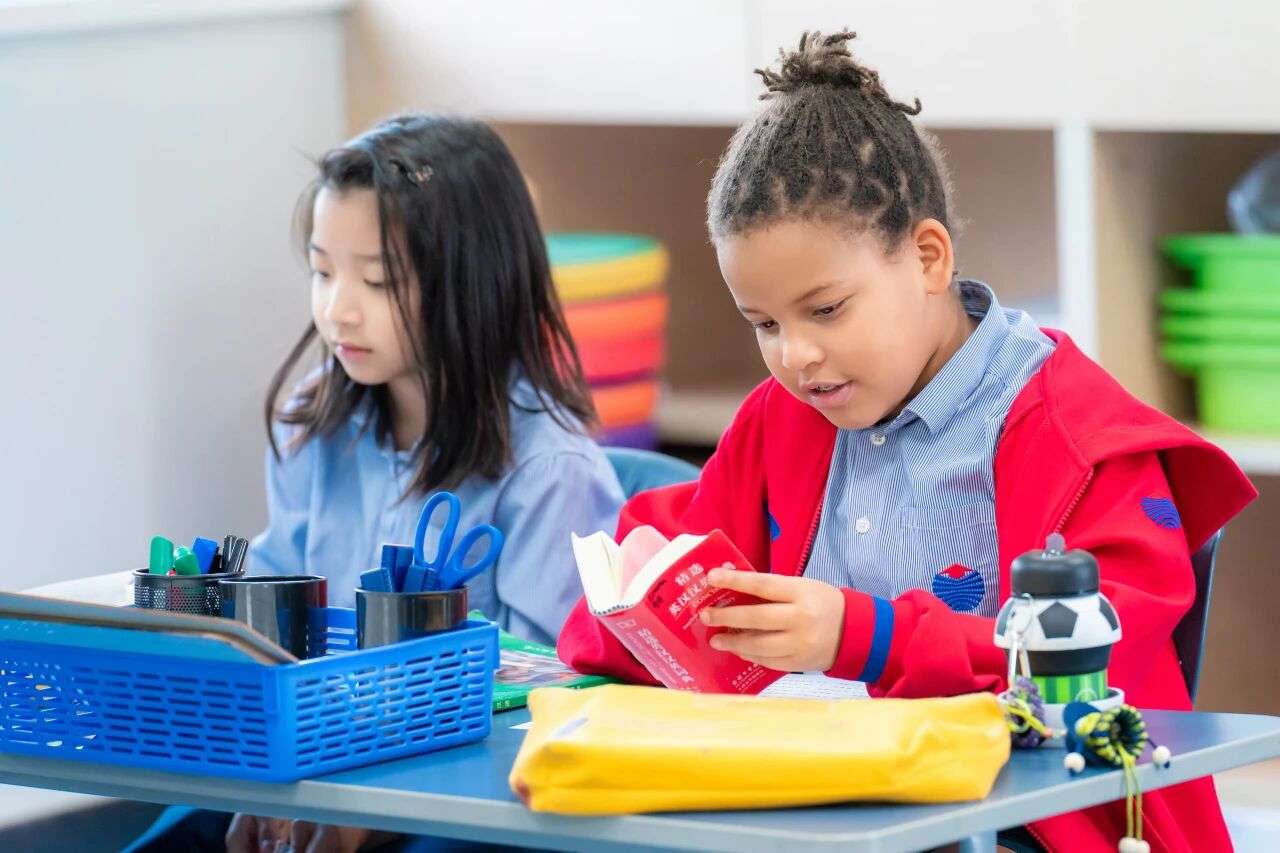
Students begin learning how to use Chinese dictionaries, read longer texts, and experiment with different forms of writing, including practical and creative tasks.
Lessons also become increasingly connected to real-life situations, such as weather reports, travel planning, and information organisation.
Teachers incorporate AI-supported visual writing activities, multimedia resources, and collaborative group work to help students use Chinese in meaningful contexts, rather than relying on repetitive drills alone.
Level 5–6: Developing Higher-Level Expression and Critical Thinking
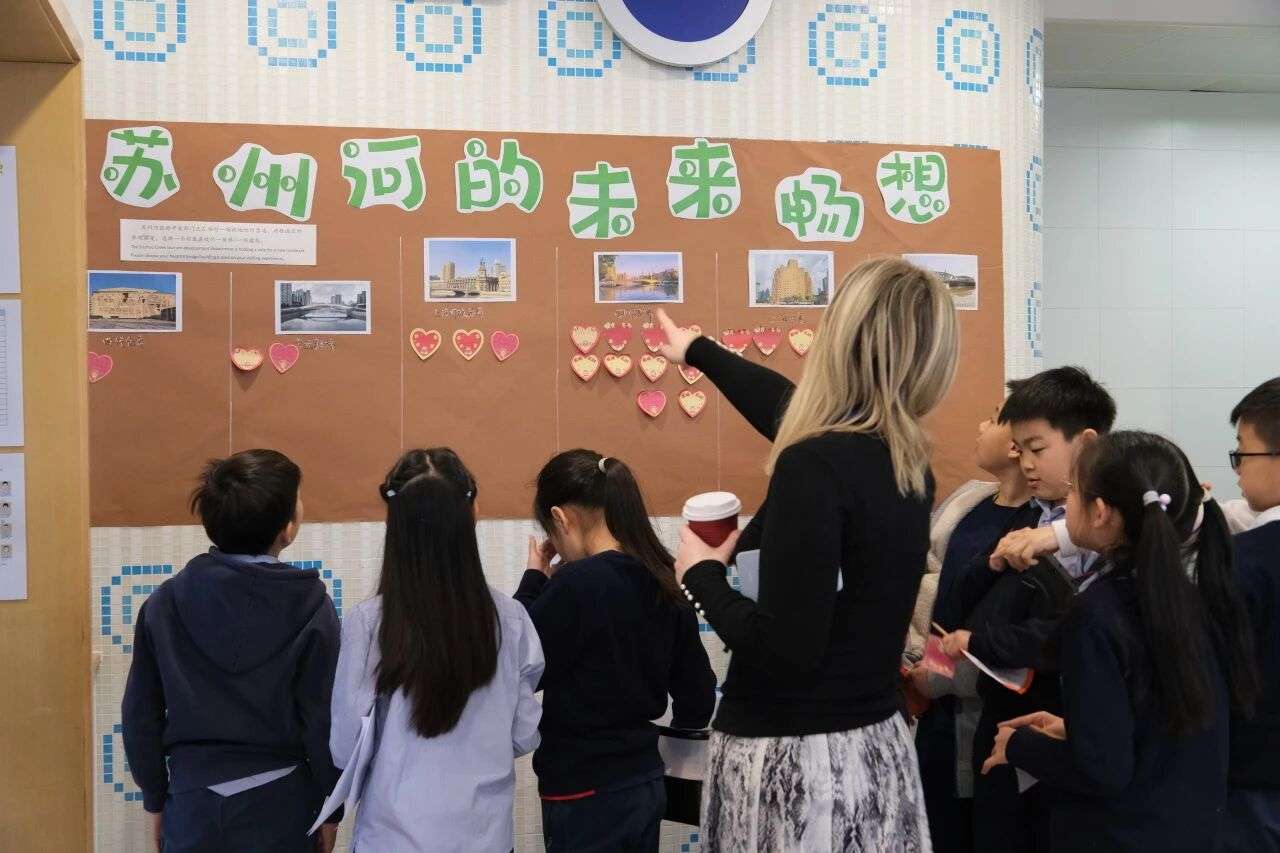
At the upper levels, students engage in more project-based learning and cross-cultural discussion.
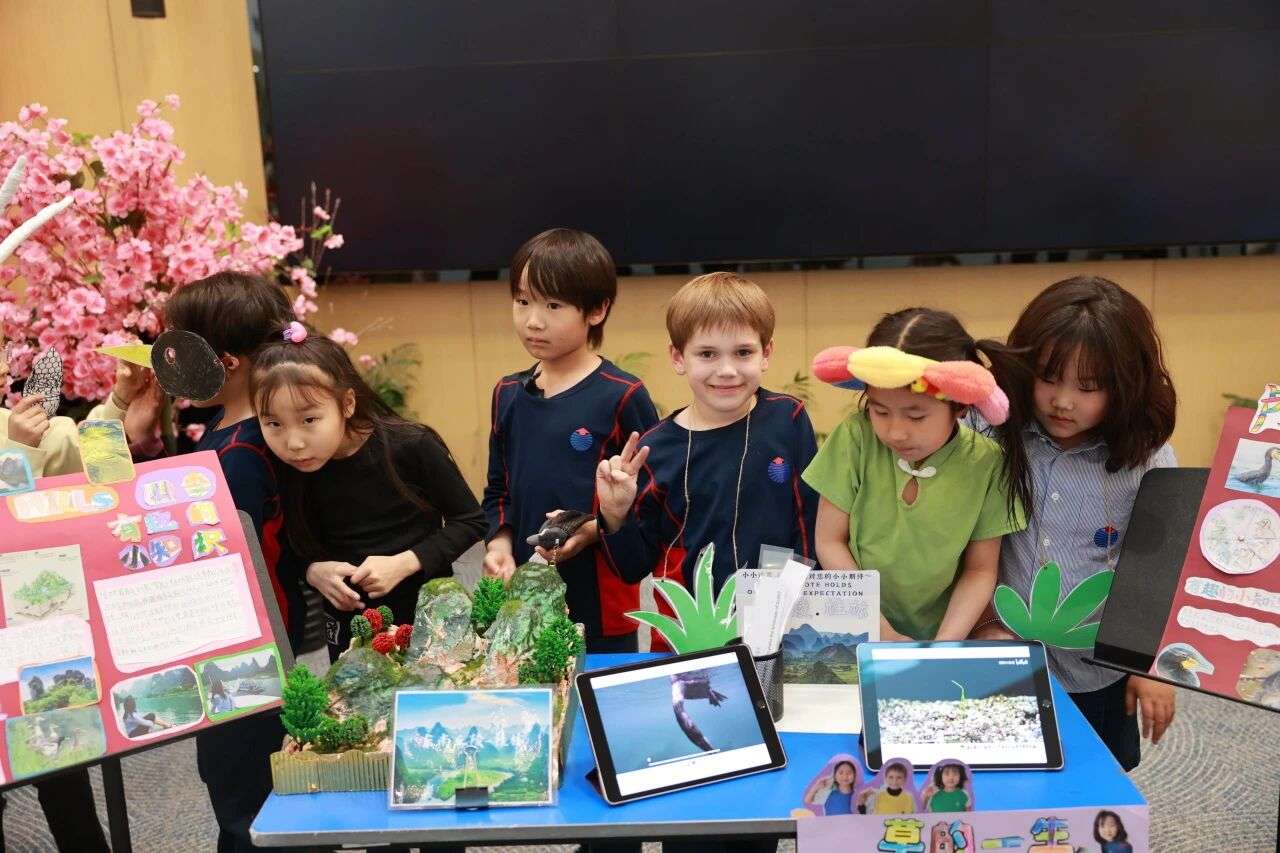
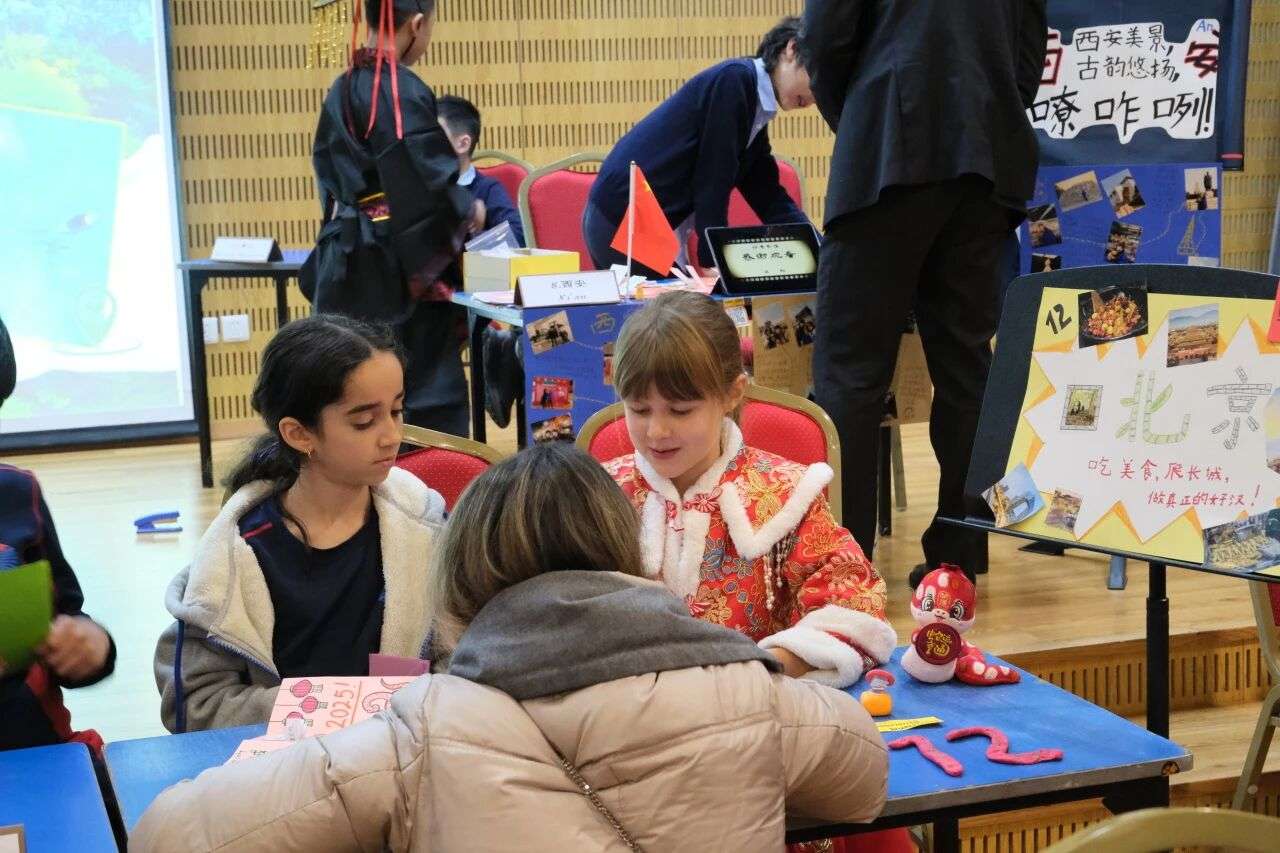
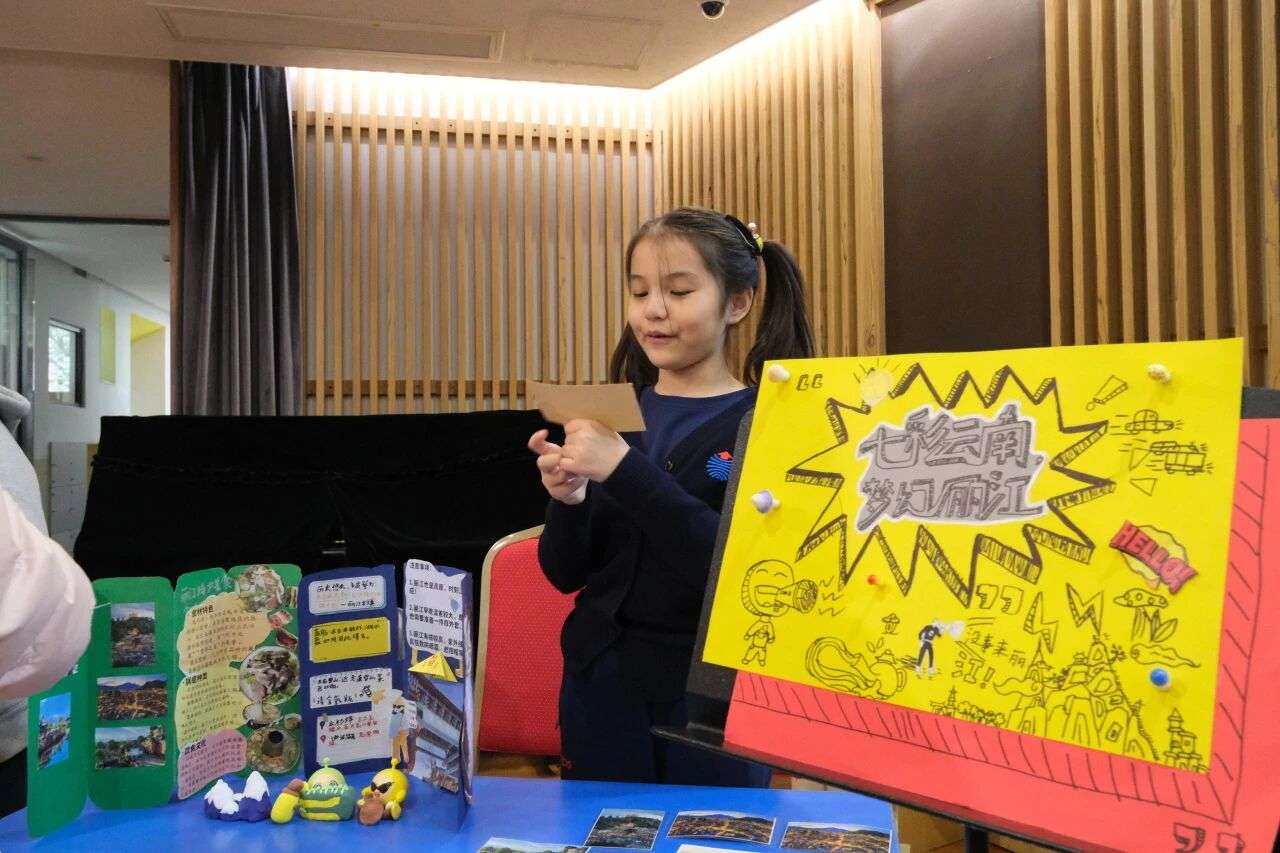
For example, during a “Travel in China” project, students from different language backgrounds work together to create travel posters, cultural presentations, and group showcases. Some students focus on design, others on research, while others take responsibility for presenting in Chinese.
At this stage, language learning gradually becomes real communication and collaboration.
Students also begin comparing cultural perspectives across different countries, learning how to organise ideas, express opinions, and develop deeper cultural understanding through the language itself.
How Chinese Skills Continue to Develop in Secondary
As students move into Secondary School, Chinese learning gradually develops from everyday communication towards more advanced reading, writing, and analytical expression.
At this stage, students are no longer simply learning how to "speak Chinese."
They begin learning how to organise ideas, express opinions clearly, and think more deeply through the language.
Compared with the communication-focused learning of Primary School, Secondary students gradually begin to:
-
read longer and more complex texts
-
write in different styles and formats
-
tell complete stories in Chinese
-
express opinions logically
-
develop independent thinking through discussion
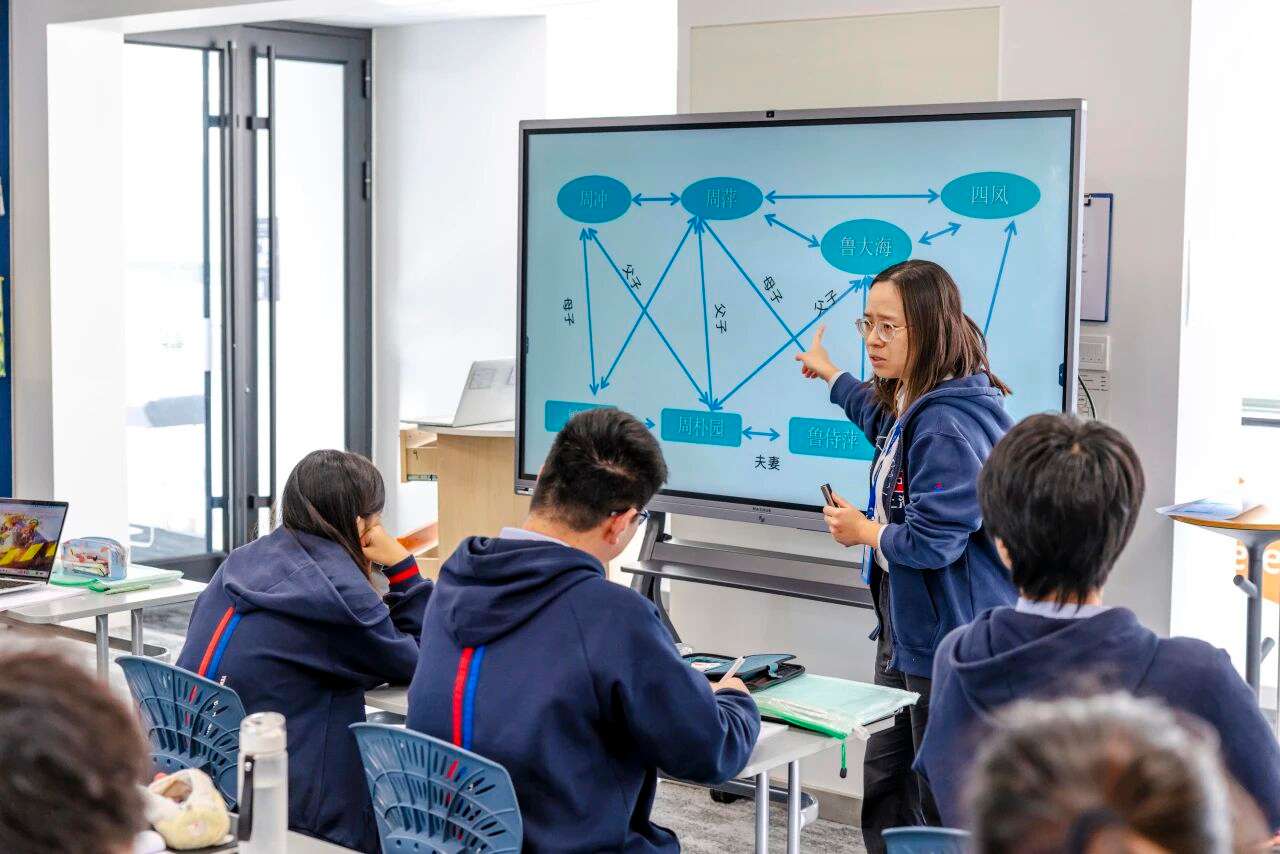
To support this transition, Secondary Chinese classrooms place strong emphasis on scaffolded learning.
-
Teachers guide students step by step through sentence structure analysis, model texts, key vocabulary support, contextual practice, and staged writing activities, helping them gradually build higher-level language skills.
Students move from imitation, to expression, and eventually towards more analytical and reflective thinking. Rather than being pushed suddenly into advanced learning, students build confidence through consistent progress and achievable challenges.
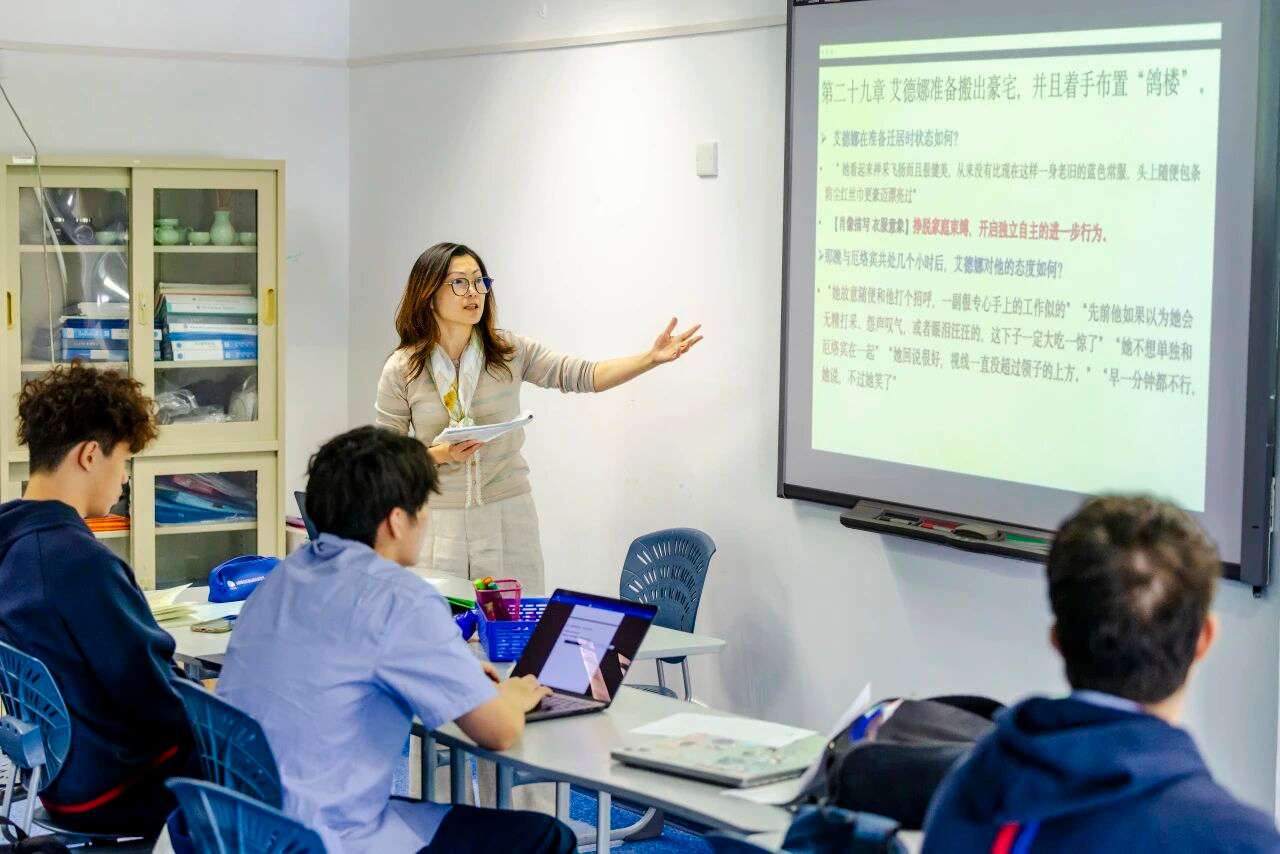
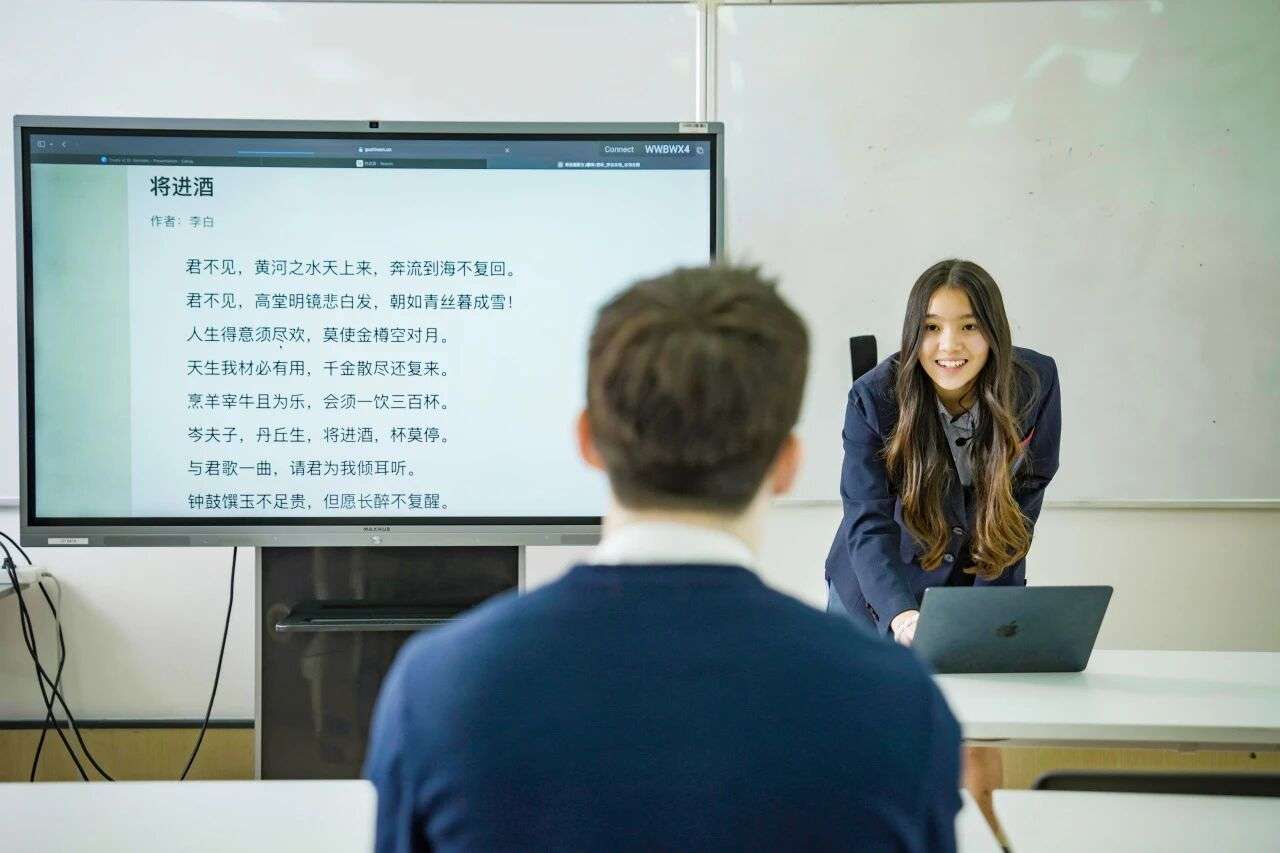
By the IGCSE and IB years, many students are already experimenting with a wide range of Chinese communication formats, including speeches, interviews, blogs, and formal writing tasks, while also discussing social issues, literary texts, and cultural topics in greater depth.
Alongside students who have progressed through YCIS from Primary School, we also welcome many new students each year — including those who begin learning Chinese for the first time in Secondary School.
For these students, we do not expect them to immediately follow exactly the same learning pace as others.
Instead, teachers provide differentiated instruction, scaffolded support, and personalised learning strategies to help them gradually build their foundation.
This may include:
-
recorded micro-lessons and revision resources for beginners
-
clear learning goals and staged tasks
-
sentence substitution and structure-building exercises
-
differentiated classroom activities
-
small-group or personalised support when needed
In Secondary School especially, we place strong emphasis on achievable progress. Students are not left behind simply because they started later.
With the right support structures in place, they gradually build confidence in comprehension, communication, and self-expression.
Many students who arrive at YCIS are able to say only a few simple greetings, but later become confident enough to communicate naturally with teachers and classmates in Chinese, while also developing the confidence to express their own ideas and perspectives.
-
Chinese Learning Beyond the Language Itself
At YCIS, Chinese learning always goes hand in hand with cultural understanding.
Our Chinese curriculum and learning materials are developed collaboratively by the YCYW Curriculum and Professional Development Division (CPDD) and classroom teachers, and have continued evolving for more than twenty years.
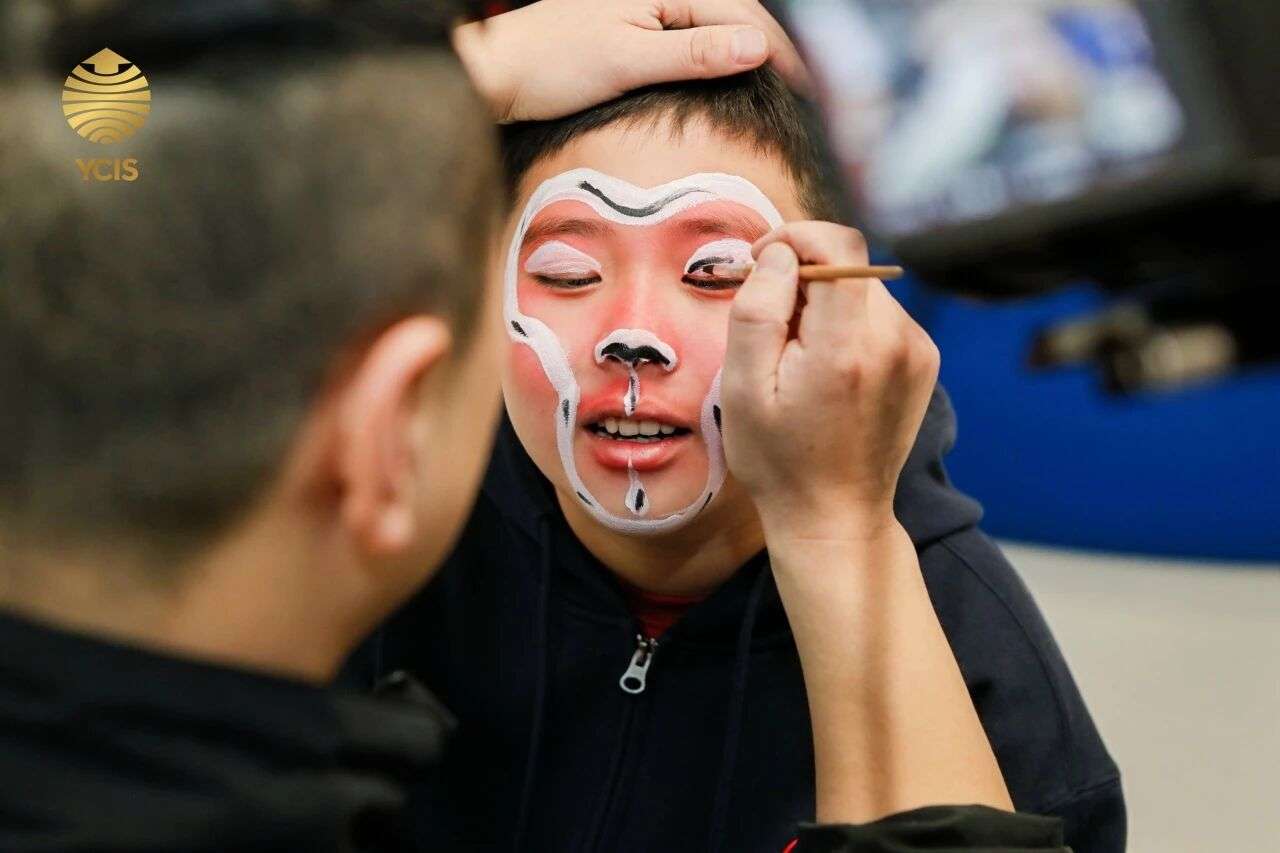
Beyond language acquisition itself, students are also introduced to Chinese poetry, folk songs, seasonal traditions, festivals, customs, and everyday cultural life.
For non-native learners, culture is not treated as an "extra" part of the curriculum. It is often what makes the language meaningful.
-
Why do families gather to admire the moon during Mid-Autumn Festival?
-
Why do classical Chinese poems so often return to images of spring and moonlight?
-
What do certain Chinese expressions reveal about relationships and ways of thinking?
These understandings develop naturally through both classroom learning and everyday school experiences.
Alongside regular Chinese lessons, students also participate in weekly Chinese Studies lessons by Chinese teachers, where projects, discussions, and hands-on experiences help students develop a more authentic understanding of Chinese culture.
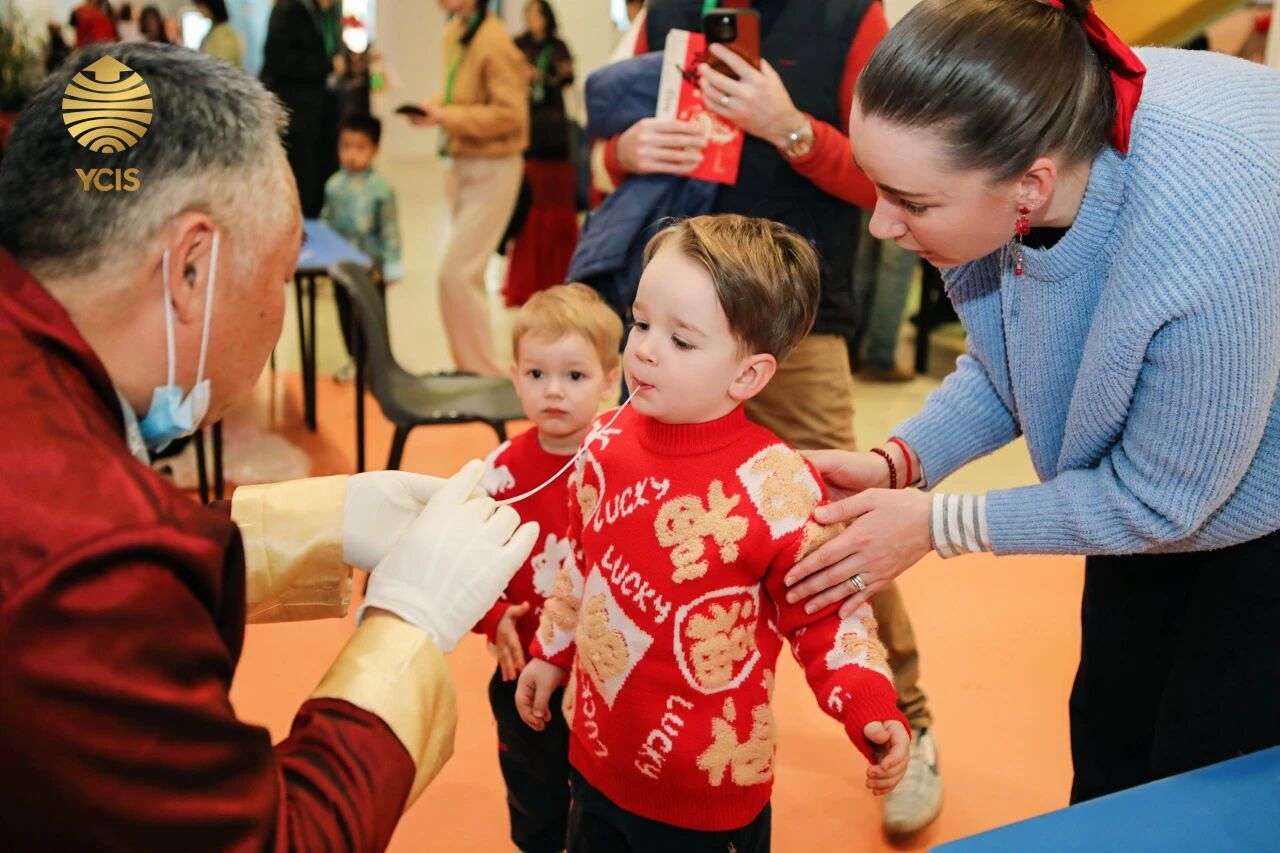
Traditional festivals such as Chinese New Year and Mid-Autumn Festival also become part of daily campus life.
For many students, their first real understanding of Chinese culture comes not from memorisation, but from making dumplings, writing Spring Festival couplets, creating cultural projects, and sharing perspectives with classmates from different backgrounds.
-
Bringing Chinese into Everyday Life
One of the biggest challenges in language learning is not difficulty — it is hesitation.
That is why we want Chinese to become part of students’ real lives, rather than something that exists only inside a textbook.
Across different year levels, teachers integrate project-based learning, interactive activities, and digital tools to help students use Chinese in authentic situations.
Students may:
-
create travel guides for Chinese cities
-
conduct interviews and presentations in Chinese
-
deliver weather reports
-
practise speaking through AI-supported platforms
-
complete interdisciplinary projects using Chinese communication skills
At the same time, we place strong emphasis on reading habits and long-term language exposure. Our libraries provide a wide range of levelled Chinese readers, and students regularly borrow books suited to their interests and language levels.
For younger learners, we also encourage family reading routines — even when parents themselves do not speak Chinese.
Because often, language development often happens gradually through curiosity, consistency, and everyday engagement over time.
-
What Do We Ultimately Hope Students Gain?
Of course, we hope our students develop strong Chinese language skills.
But beyond the language itself, we hope they gain something even more meaningful: the ability to connect across cultures and understand the world through different perspectives.
Ultimately, we hope that by the time students graduate, they leave with far more than Chinese proficiency alone.
They become young people who can communicate confidently across cultures, understand different ways of thinking, and express themselves clearly in multilingual environments.
As Carrie, Primary Chinese Coordinator at YCIS Shanghai Pudong, shared:
"They become young people who can navigate across cultures with ease, empathise with others, and express themselves clearly and confidently.
To us, this is what it means to be global citizens in a multilingual world."



YCIS Shanghai is a Child-Safe School
Click HERE for our Child Protection Policies and Procedures
© Yew Chung International School of Shanghai 2022. All rights reserved