


Go Back
News
School News
Primary English at YCIS: Built to Be Used
School News
30 Apr, 2026
16 : 40
If you walk into an English lesson at YCIS, it might not immediately feel like "an English class".
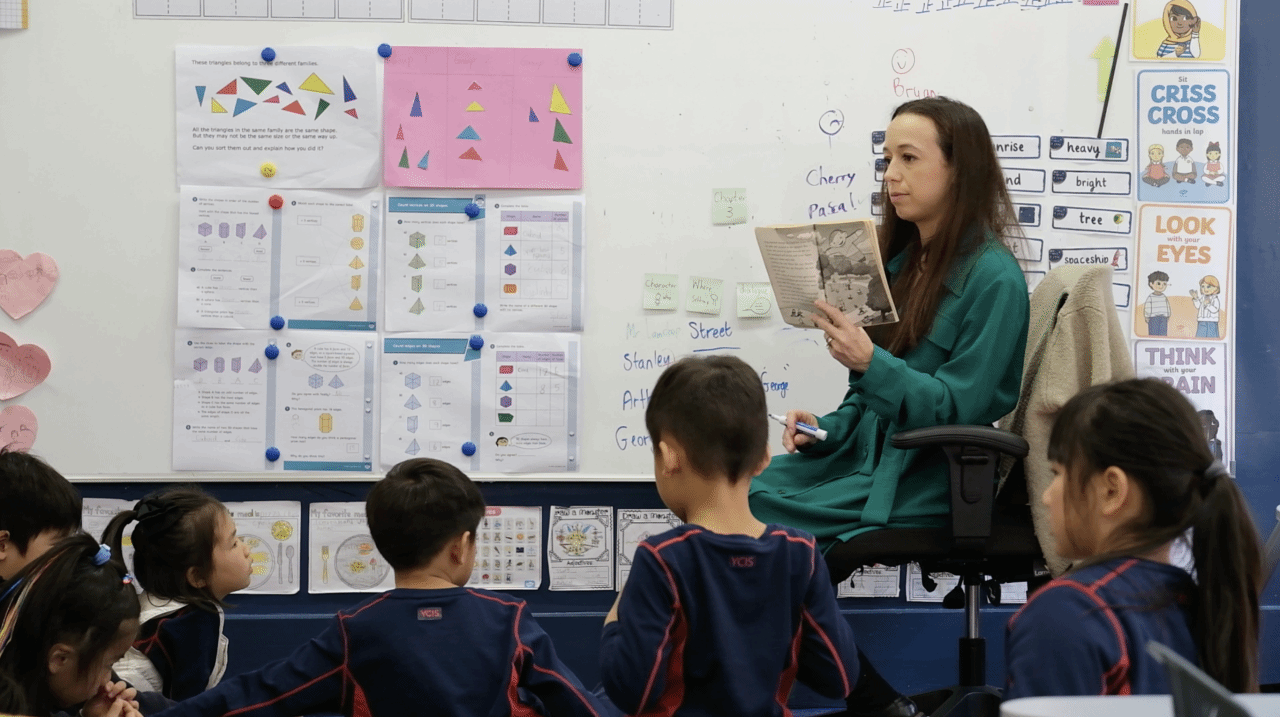
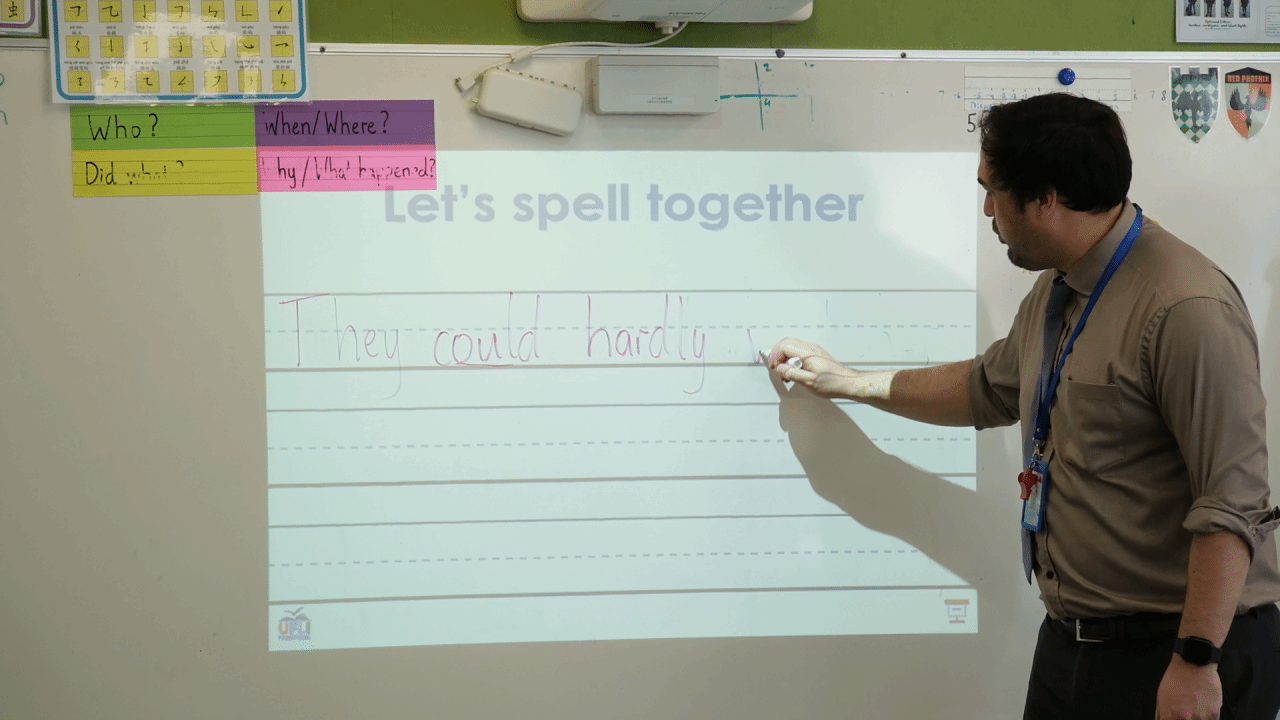
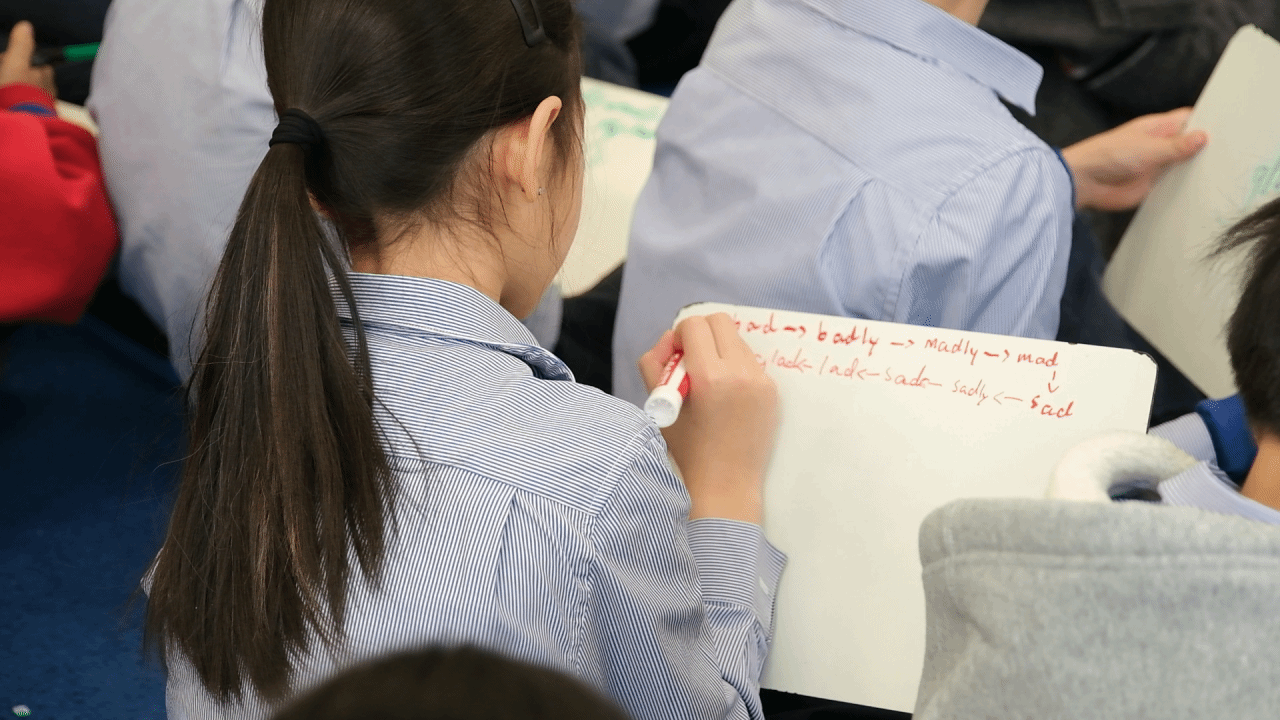
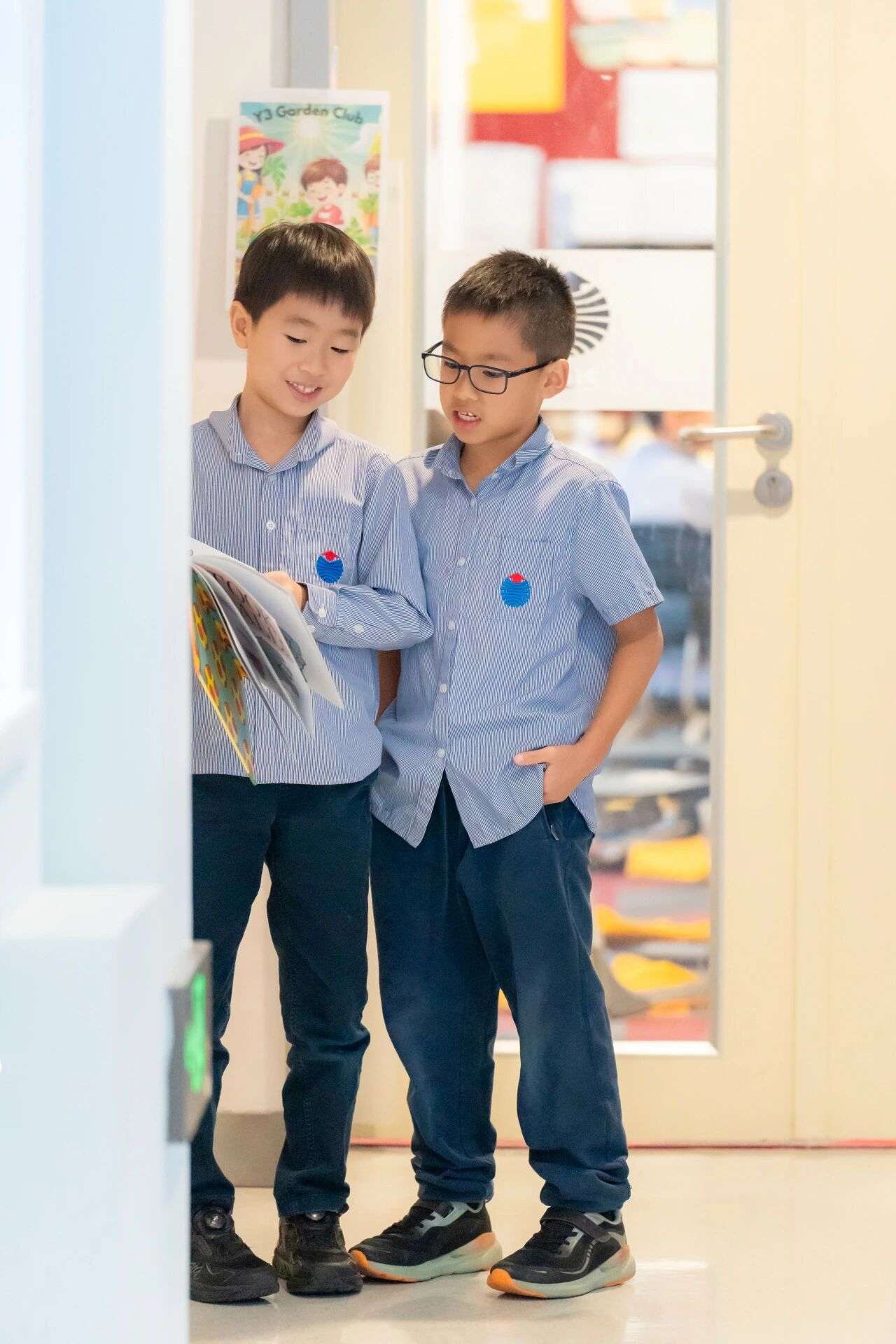
In the lower years, children are clapping out sounds, segmenting words, writing on mini whiteboards.
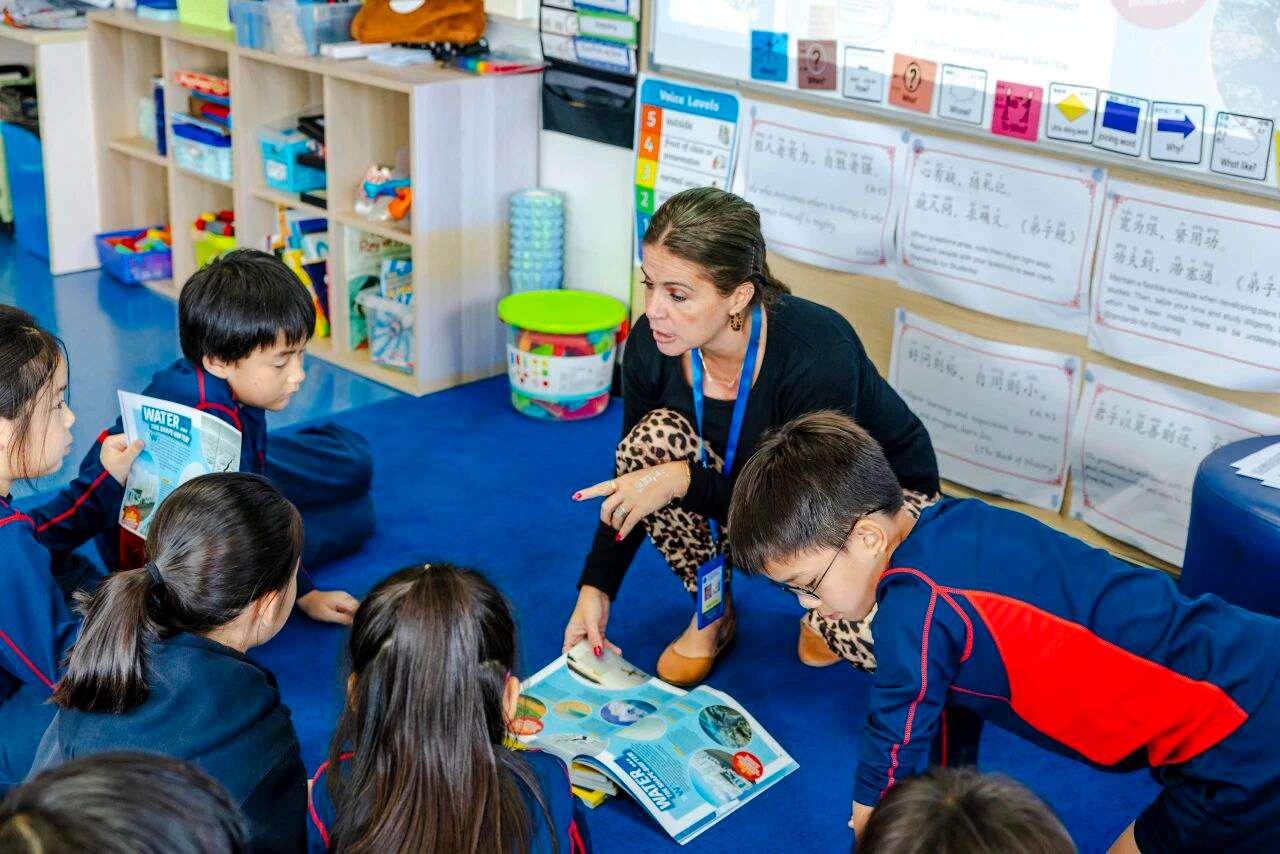
In the upper years, they are gathered around a text, discussing why a character acted in a certain way.
Some are revising a paragraph they've written; others are debating whether a word quite says what they mean.It all looks quite different on the surface, but it is all part of the same process—just at different stages.
From Year 1 through to Year 6, what children are really doing is gradually building the ability to read with understanding and to express themselves with clarity.
If you trace that journey, it tends to begin with phonics, move into reading, and then into writing.
Phonics | Making sense of how reading works
In the lower years, the focus is not on getting children to read more, but on helping them understand how reading actually works.
A typical moment in the classroom might look like this: a sound is introduced, children say it together, map it to letters, and then blend those sounds into a word.
At times they might trace it in the air, build it with magnetic letters, or work it out on a board.
These small, deliberate steps are doing something quite fundamental—connecting sound and print in a secure way.
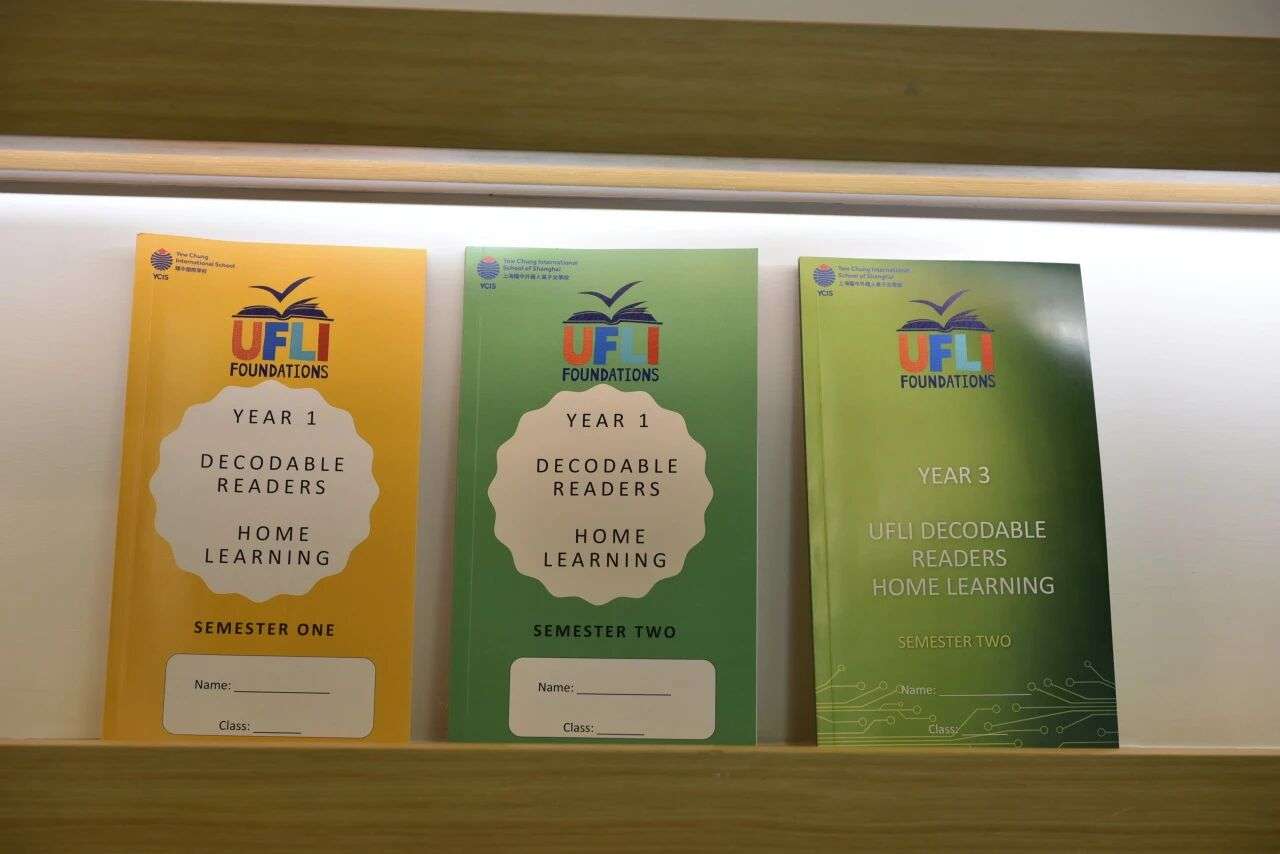
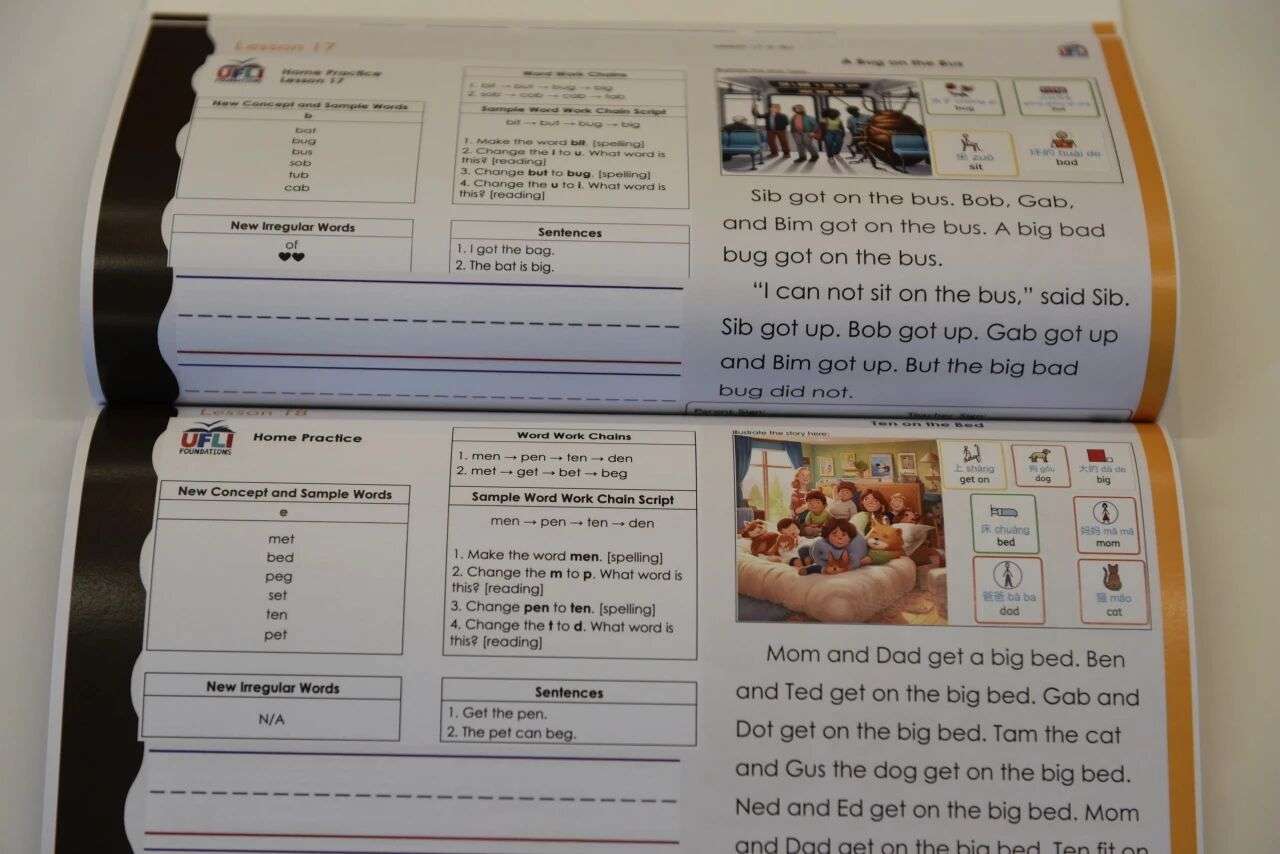
We use the UFLI phonics programme, which is structured, explicit, and highly consistent. What stands out is not just how clearly each step is taught, but how often it is revisited and applied.
You might also notice that the texts children read at this stage are carefully controlled. They largely contain only the sounds and patterns children have already learned, which means they can genuinely read them independently.
That experience matters. It shifts reading from something to guess at, to something they can work out for themselves.
Over time, children begin to develop a quiet confidence: they know they can read, and they know how to approach unfamiliar words.
Reading | Moving beyond words to meaning
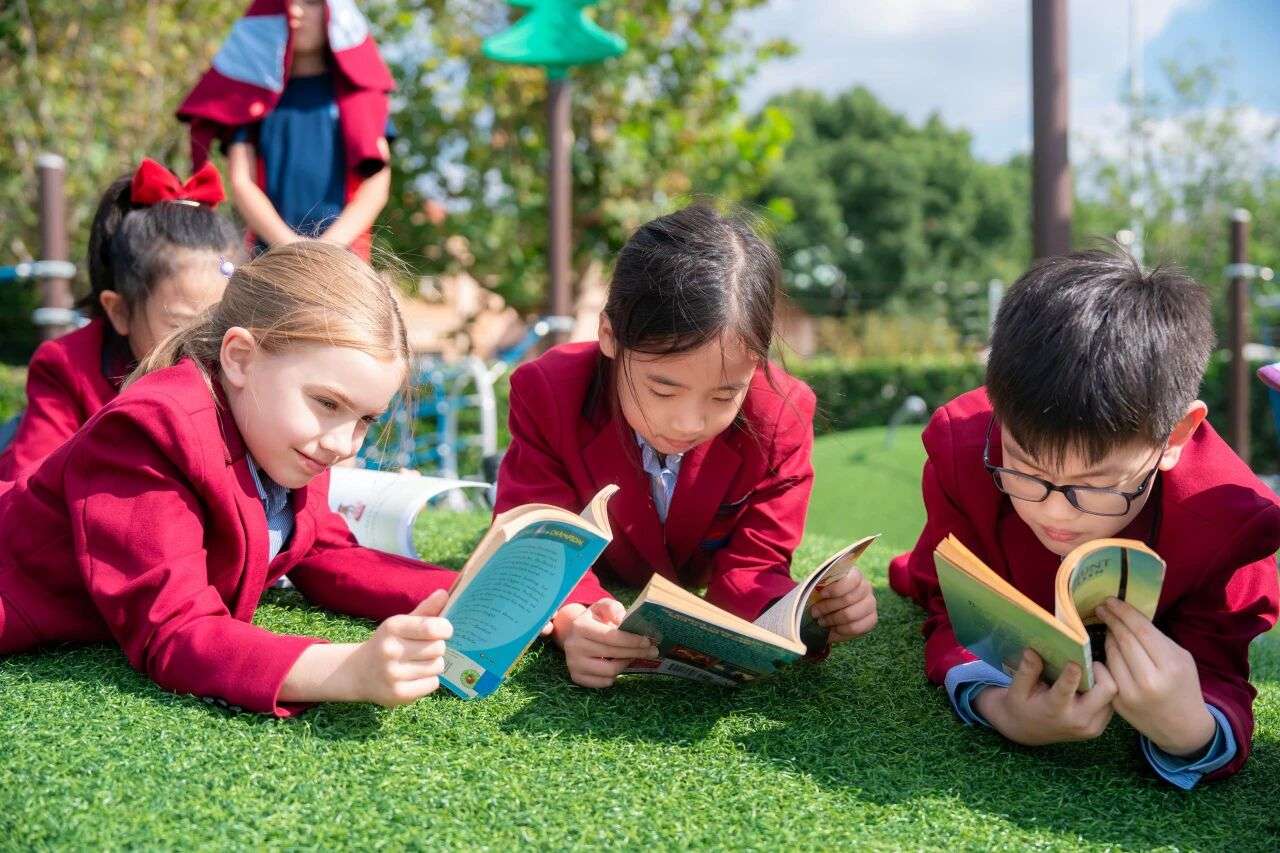
By the time children reach the upper years, there is
less focus on decoding, and more on making sense of what is being read.
Discussions tend to centre around questions that do not have immediate or single answers:
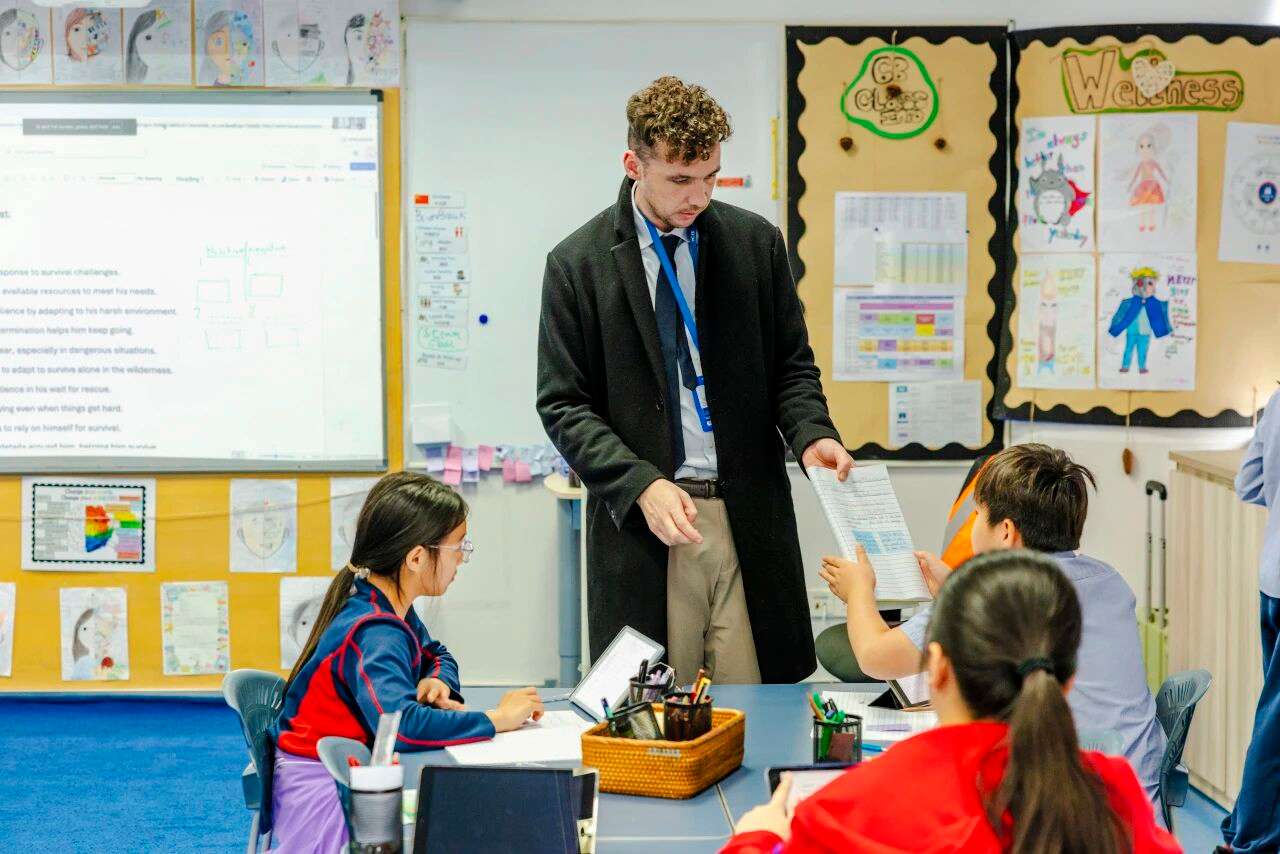
why a character behaves in a certain way, what a particular detail might suggest, or how a text might be interpreted differently.
It is not unusual for a short passage to be revisited several times, not because it is difficult to read, but because there is more to draw from it.
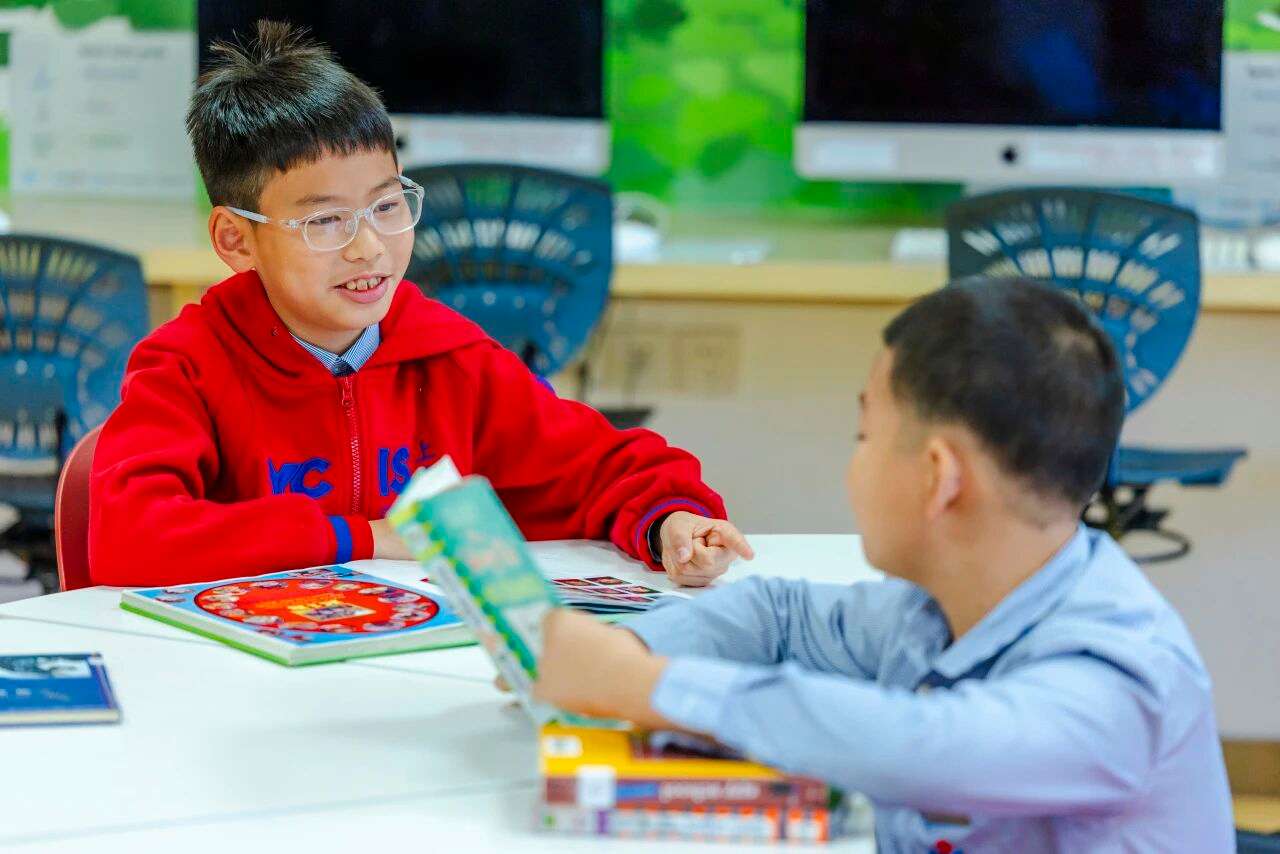
You start to notice certain reading behaviours emerging. Some students highlight key phrases, others map out how a text is structured, while others return to earlier sections to check their understanding. These are, in essence, the strategies we are developing—identifying main ideas, recognising structure, making inferences, and supporting interpretations with evidence.
They are rarely taught in isolation; instead, they are embedded in daily reading until they become part of how pupils naturally approach a text.
The materials themselves also broaden. Lower Primary students move from shorter texts to full chapter books, alongside non-fiction and more information-dense writing.
In terms of level, many Upper Primary students are reading within or beyond the 800L–1000L Lexile range, though in practice, the level itself is not what the classroom focuses on.
What matters more is whether students are beginning to read with intent—whether they question what they read, support their thinking with evidence, and recognise that a text can be understood in more than one way.
At that point, reading becomes less about retrieving meaning and more about engaging with it.
Writing | Developing a sense of voice
Writing does not begin suddenly at YCIS; it develops gradually from the earliest years.
In the beginning, it may be as simple as writing a word, completing a sentence, or responding briefly to a text. These small steps quietly build the foundations for later expression.
As students move into the upper years, writing becomes more sustained. They are expected to organise their ideas, make their meaning clear, and begin refining how they express themselves.
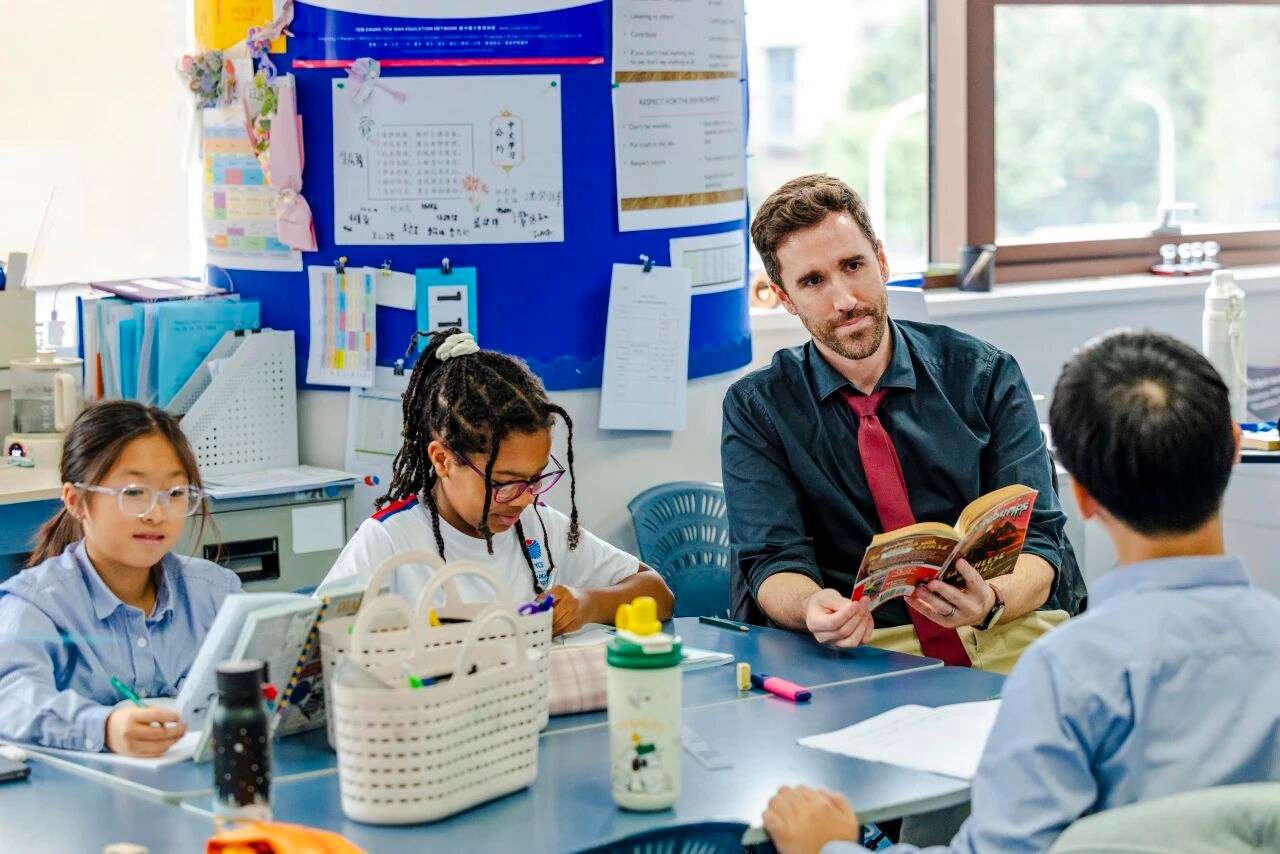
What you often see is quite telling. Some students write quickly but are encouraged to reconsider word choice. Others take longer, working through each sentence carefully. Some reread their own work and make small but deliberate changes.
Writing is not treated as a one-off product, but as something that can be shaped and improved.
Beyond the classroom, this continues through weekly home learning.
Students complete reading responses and writing tasks that are directly linked to what they have been working on in class. Teachers track development over time through ongoing feedback, annotations, and periodic assessments—not to judge a single piece of work, but to understand how each student's writing is evolving.
Support | Working at different paces, towards the same goal
In any real classroom, progress is not uniform.
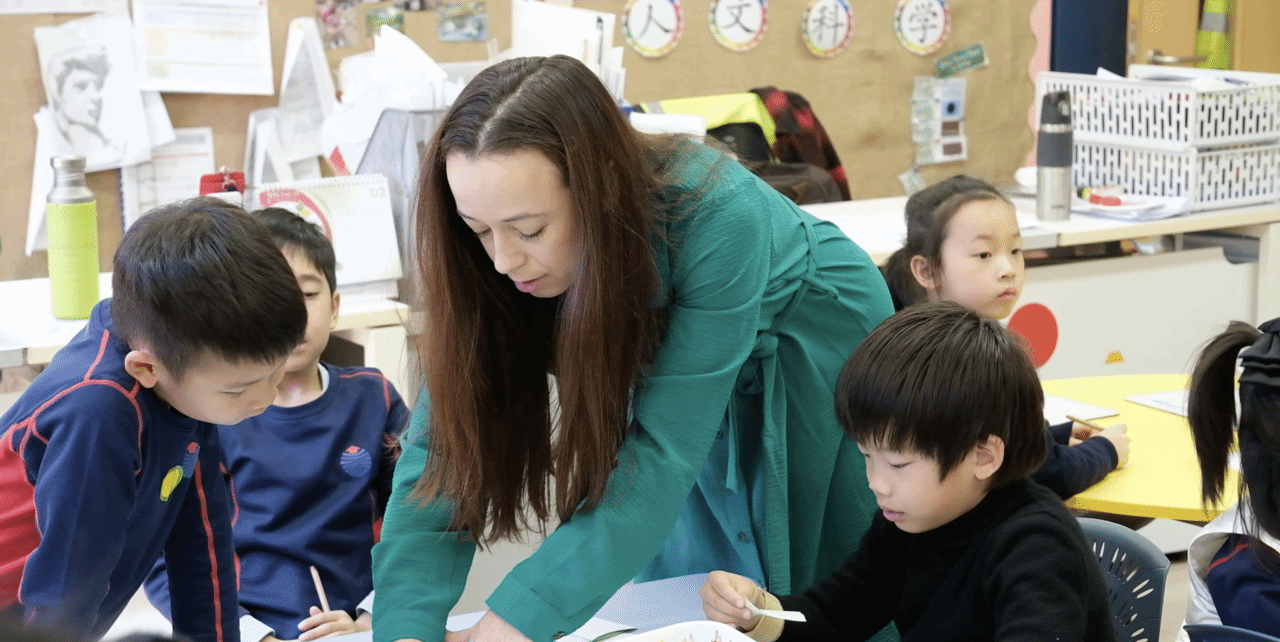
Some students move quickly into independence, while others need more time and support. What you tend to see, therefore, is a range of support happening alongside regular lessons—additional teachers working within the classroom, small group sessions, and more targeted one-to-one support where needed.
The aim is not to move everyone at the same pace, but to ensure that each pupil is gradually able to work more independently.
Over time, the changes become visible—students who once relied on guessing begin to decode confidently; those who were hesitant begin to contribute; those who struggled to express ideas start to do so with increasing clarity.
Closing
At YCIS, English is not approached as a set of separate skills to be taught and mastered in isolation.
Rather, it is a process of building something more fundamental—
the ability to understand, to express, and to think through language.This is supported through clear scaffolding at each stage, alongside the space for pupils to move forward at their own pace.
As these capacities become more secure, English shifts from being a subject in the timetable to something pupils can genuinely use— to make sense of ideas, to communicate with others, and to shape their own thinking.


YCIS Shanghai is a Child-Safe School
Click HERE for our Child Protection Policies and Procedures
© Yew Chung International School of Shanghai 2022. All rights reserved